Look, running a medical office or facility in the Bay Area is no walk in the park. Between juggling patient loads, navigating insurance mazes, and keeping up with the latest tech, the last thing you want is a regulatory headache from something as basic as cleaning. But here’s the kicker: skimping on sanitation isn’t just sloppy—it’s a fast track to fines, infections, and a tarnished rep. I’ve spent years digging into this stuff as a freelance writer covering health and business ops, and trust me, the rules aren’t as impenetrable as they seem. In this piece, we’ll break down the must-know regs, toss in some battle-tested best practices, and even chat about when it’s smarter to call in the pros. By the end, you’ll have a roadmap to keep your space compliant, safe, and maybe even a little shinier.
Why This Matters More Than Ever in the Bay Area
Let’s start with the big picture. The Bay Area’s healthcare scene is booming—think tech-savvy clinics in Silicon Valley rubbing shoulders with bustling urban hospitals in San Francisco. But with that density comes risk. According to the California Department of Public Health (CDPH), hospitals across the state reported thousands of healthcare-associated infections (HAIs) in 2023 alone, with California topping the national list at over 8,000 cases. That’s not just a stat; it’s real people dealing with preventable setbacks like surgical site infections or nasty bugs from unclean surfaces.
Nationally, the CDC’s 2023 progress report showed some wins in reducing HAIs, but progress stalled in certain settings post-2022. In resource-strapped spots like outpatient clinics, where foot traffic rivals a BART station during rush hour, lapses in cleaning can amplify these issues. Foggy weather and urban grime don’t help either—dust and allergens sneak in faster than you can say “allergy season.” Non-compliance? We’re talking penalties from OSHA or CDPH that could hit thousands, not to mention lawsuits or lost accreditation. But flip it around: Nailing your cleaning game boosts patient trust, cuts absenteeism among staff, and even pads your bottom line by dodging those infection-related costs.
Untangling the Web of Regulations
Okay, deep breath—regs can feel like a tangled mess, but they’re built on a few core pillars. At the federal level, the CDC’s Guidelines for Environmental Infection Control in Health-Care Facilities (updated from 2003 but still gold) lay the groundwork. They stress that a clean environment isn’t optional; it’s your first line of defense against HAIs. Key takeaway? Surfaces must be physically cleaned before disinfection—grime blocks those chemicals from doing their job.
Then there’s OSHA, which oversees workplace safety. Their healthcare standards mandate protocols to protect staff from hazards like bloodborne pathogens or chemical exposures during cleaning. In California, it gets more granular. The CDPH’s HAI Program, under the Center for Health Care Quality, pushes for rigorous surveillance and prevention. For instance, Cal. Code Regs. Title 22 requires routine cleaning of everything from floors and furniture to supply grills in hospitals. And don’t forget HIPAA tie-ins—cleaning crews need to handle patient info with kid gloves to avoid privacy breaches.
For Bay Area specifics, local health departments echo state mandates but amp up focus on high-density risks. Think about it: In a place like Oakland or San Jose, where facilities serve diverse populations, infection control means adhering to CDPH’s environmental cleaning strategies. Water for cleaning doesn’t need to be fancy (no need for potable standards), but it has to be clear and free of gunk. And in outpatient settings, CDPH recommends PPE like gloves and masks for staff interacting with potentially ill patients, plus airborne precautions if COVID or flu suspicions arise.
One curveball? Post-pandemic updates. The CDC rolled out refreshed infection prevention guidance in 2023, emphasizing hand hygiene stations everywhere and reprocessing reusable equipment properly. California hospitals must report HAIs annually, with 2023 data showing mixed progress—some reductions in central line infections but stubborn holdouts in others. If your facility’s in a county like Alameda or San Francisco, tap into local collaboratives for tailored advice; they’ve been driving quality improvements using national data networks.
Your Go-To Best Practices Checklist
Alright, theory’s great, but let’s get practical. I’ve compiled this checklist from CDC best practices, CDPH resources, and insights from pros who’ve cleaned more exam rooms than I care to count. Think of it as your cheat sheet—print it out, stick it on the fridge (or supply closet).
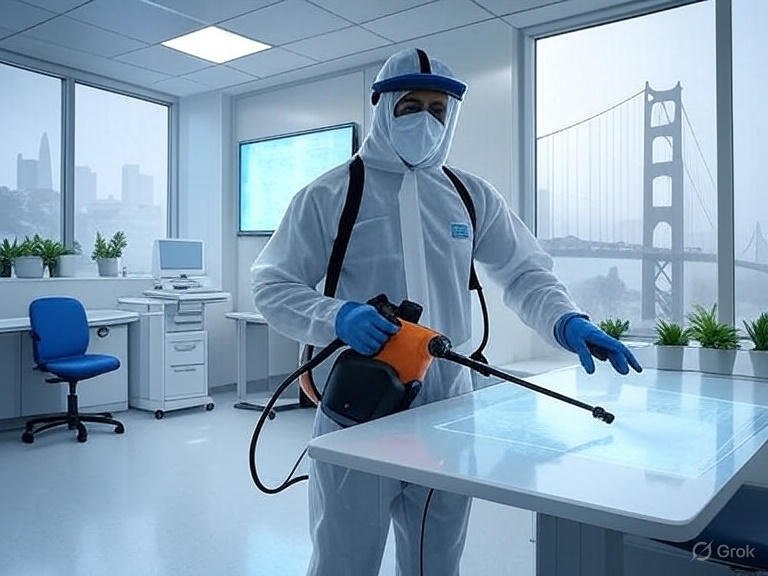
- High-Touch Havens First: Door handles, light switches, keyboards, and exam tables? These bad boys get grubby fast. Clean ’em daily with hospital-grade disinfectants effective against viruses and bacteria. CDC says disinfect after visible soiling or patient contact—use electrostatic sprayers for even coverage if you’ve got the budget.
- Room-by-Room Routines: Waiting areas: Wipe down chairs, counters, and clipboards multiple times a day. Exam rooms: Full clean between patients, focusing on sinks and toilets. Kitchens or break areas: Follow California Health and Safety Code for utensil sanitization—clean and discard after each use to prevent cross-contamination.
- Frequency Matters: Daily deep cleans for high-traffic zones, weekly for low-risk spots like storage. In infection-prone areas (think procedure rooms), amp it to every shift. CDPH stresses consistency to contain HAIs—set schedules and train staff relentlessly.
- Tools of the Trade: Microfiber cloths beat old rags for trapping dirt. Opt for EPA-registered disinfectants with short dwell times to keep workflows humming. And hand hygiene? Stations with soap, water, and sanitizer at every turn—CDC mandates it for all personnel.
- Eco and Safety Smarts: Bay Area’s green vibe means choosing low-VOC cleaners where possible. But safety first: Train on proper dilution to avoid chemical mishaps, per OSHA.
Pro tip: Document everything. Logs aren’t just busywork—they’re your shield in audits.
Dodging Common Pitfalls (And How to Fix ‘Em)
You know how it goes—one overlooked corner, and boom, trouble. Common slip-ups? Underestimating hidden spots like under-sink cabinets or HVAC vents, where dust bunnies breed. Solution: Rotate deep cleans and use UV lights for spot-checks—some facilities swear by ’em for revealing invisible grime.
Staff shortages are another beast, especially in the Bay’s competitive job market. When teams are stretched thin, corners get cut (literally). Counter it with cross-training and incentives for infection control certifications. And post-procedure cleanups? Rushed jobs lead to residue buildup—implement checklists to ensure every step, from waste disposal to surface wipe-downs.
Infection outbreaks? We’ve seen ’em spike in dense urban settings. CDPH data from 2023 shows almost two-thirds of HAIs weren’t device-related, meaning environmental factors play huge. Address by partnering with local health agencies for outbreak drills.
Why Going Pro Might Be Your Best Bet
Sure, in-house teams handle basics, but for the heavy lifting? Professional services like those from New Revolution Cleaning shine. They bring specialized know-how—think tailored plans for medical offices, using CDC-aligned protocols without disrupting your day. Benefits? Time savings (your staff focuses on patients), top-tier tools (like those electrostatic wonders), and peace of mind knowing compliance is locked in.
I’ve chatted with facility managers who’ve switched and never looked back. One clinic in SF cut their HAI incidents by 20% after outsourcing, thanks to pros spotting gaps they missed. Plus, it’s scalable—whether you’re a small dental office or a multi-floor hospital.
Wrapping It Up: Your Clean Slate Awaits
Navigating Bay Area healthcare cleaning regs doesn’t have to be a nightmare. Armed with solid understanding of CDC, OSHA, and CDPH guidelines, plus these best practices, you’re set to create a space that’s not just compliant but truly safe. Remember, it’s about more than avoiding fines—it’s protecting the folks who walk through your doors every day.
Ready to level up? Contact New Revolution Cleaning for a free quote and snag 10% off your first healthcare service. Mention this article, and let’s turn those regs into your superpower.