
Compliance

The Nightly Operational Reset: The Anatomy of a 7-Day Restaurant Cleaning Contract

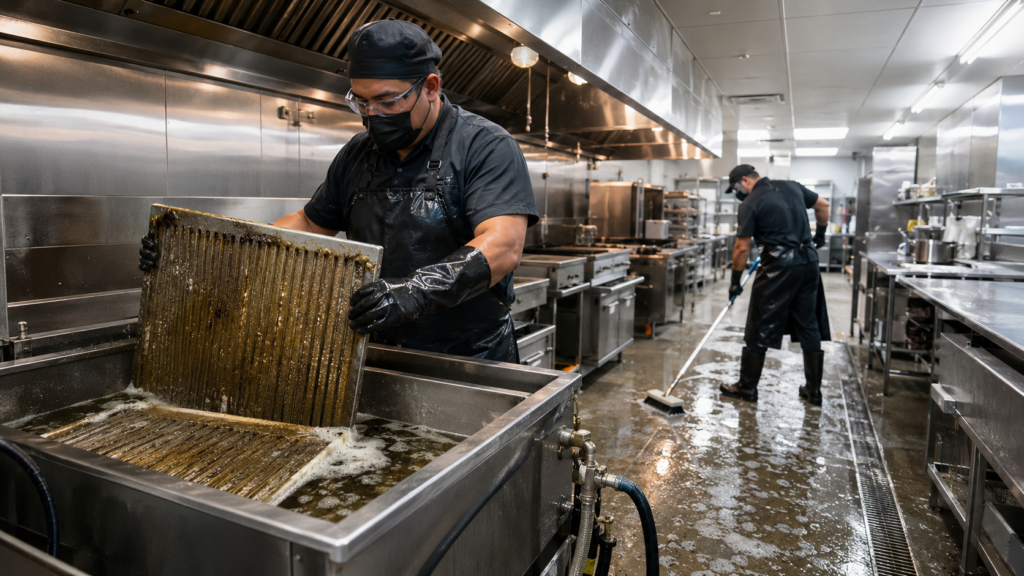
Basic sweeping and mopping cannot eliminate the aerosolized grease and organic biofilm accumulating in a commercial kitchen. A comprehensive nightly operational reset addresses hidden fire hazards, exhaust system degradation, and drain blockages. Learn how structured restaurant nightly cleaning services protect your facility from health code violations and ensure continuous operational compliance for high volume dining environments across all service areas.

The Nightly Operational Reset: The Anatomy of a 7-Day Restaurant Cleaning Contract Read More »

The Compliance Gap: What Daily Cleaning Misses Before a Restaurant Health Inspection

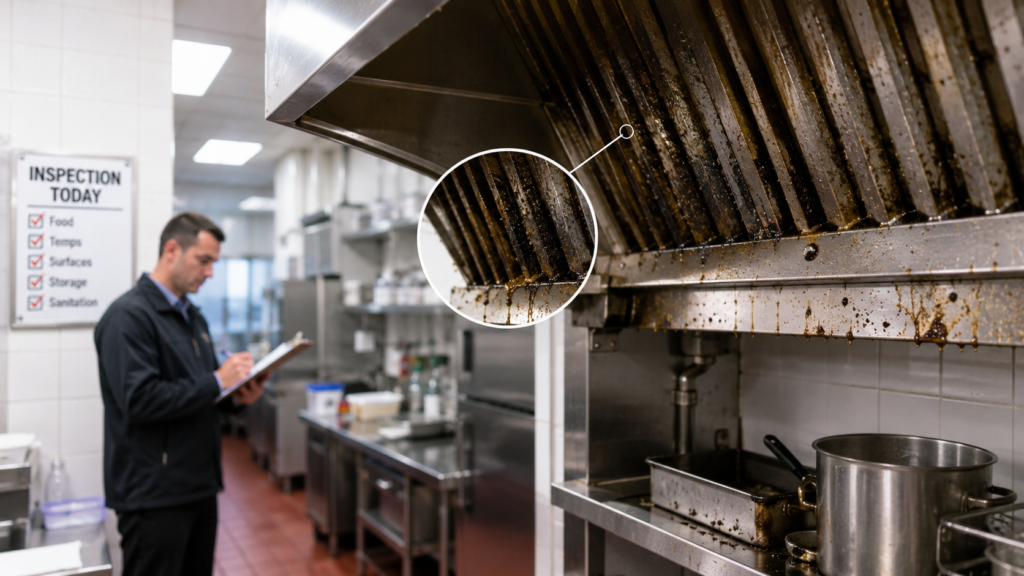
Daily cleaning maintains surface aesthetics, but it cannot eliminate the micro-grease and biofilm accumulating in crevices and grout. When health inspectors evaluate your facility, they look beyond freshly mopped floors. Learn how structured monthly deep cleaning protocols address hidden vulnerabilities, mitigate compliance risks, and protect your restaurant operational continuity and overall brand reputation for the entire busy summer season ahead.

The Compliance Gap: What Daily Cleaning Misses Before a Restaurant Health Inspection Read More »

Why Bay Area Office Managers Are Rewriting Cleaning Specifications: The Hidden Gap Between “Clean” and “Operationally Safe”

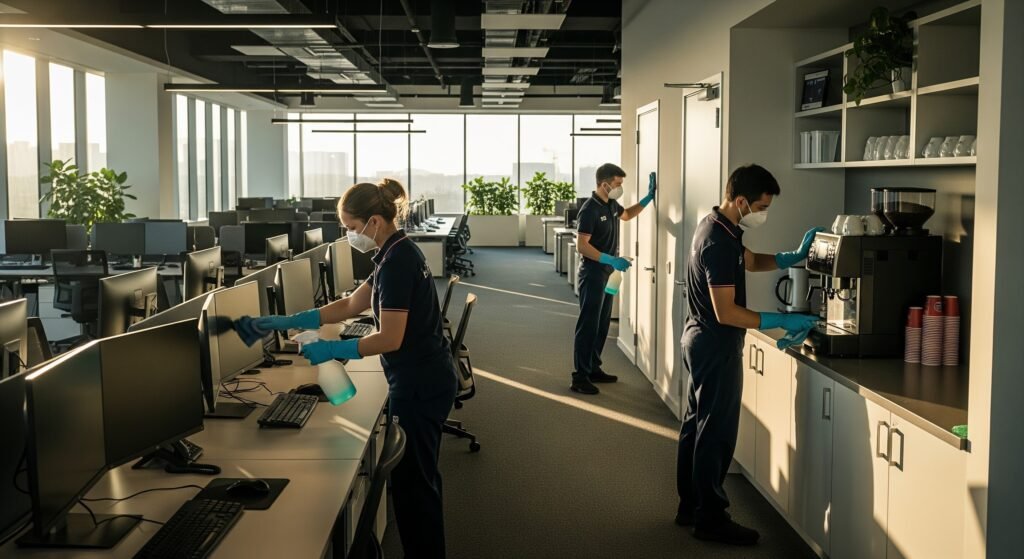
Bay Area office managers are updating cleaning specifications to address the gap between visual cleanliness and operational safety. This article explains why ambiguous protocols create latent risk for employee trust, reputation, and compliance readiness. Learn how professionals structure specifications that align with usage patterns, sustainability commitments, and verification practices—without adding administrative burden.

Why Bay Area Office Managers Are Rewriting Cleaning Specifications: The Hidden Gap Between “Clean” and “Operationally Safe” Read More »

When a Hotel Needs More Than a Daily Clean: Understanding Deep Cleaning for Bay Area Properties

Daily cleaning keeps a hotel presentable, but only periodic deep cleaning reaches the accumulated soil, mineral buildup, and embedded grime that settles into carpets, grout, upholstery, and kitchen surfaces over time. For Bay Area hotels, a structured deep cleaning program is a strategic investment in asset longevity, guest perception, and brand audit readiness. This article explains what deep cleaning actually involves, which zones it addresses, and how to integrate it without disrupting daily operations.

When a Hotel Needs More Than a Daily Clean: Understanding Deep Cleaning for Bay Area Properties Read More »

What Bay Area Hotels Need to Know Before Adding a Day Porter Service

Bay Area hotels face unique pressures: high guest expectations, tight labor markets, and the constant challenge of keeping public areas immaculate between nightly deep cleans. A dedicated day porter service provides a structured, professional solution that separates room cleaning from continuous public area maintenance. This article offers a clear framework for hotel operators evaluating the role, from scope definition to integration, provider selection, and the hidden costs of leaving the gap unaddressed.

What Bay Area Hotels Need to Know Before Adding a Day Porter Service Read More »

Why Museums in the Bay Area Require Specialized Cleaning Protocols

Museums present unique operational challenges for cleaning teams. Dust, visitor traffic, delicate materials, and controlled environments require structured protocols that protect both facilities and collections. This article explains why museum cleaning differs from typical commercial maintenance and how professional facility practices help cultural institutions maintain safe, stable, and visitor-ready environments.

Why Museums in the Bay Area Require Specialized Cleaning Protocols Read More »

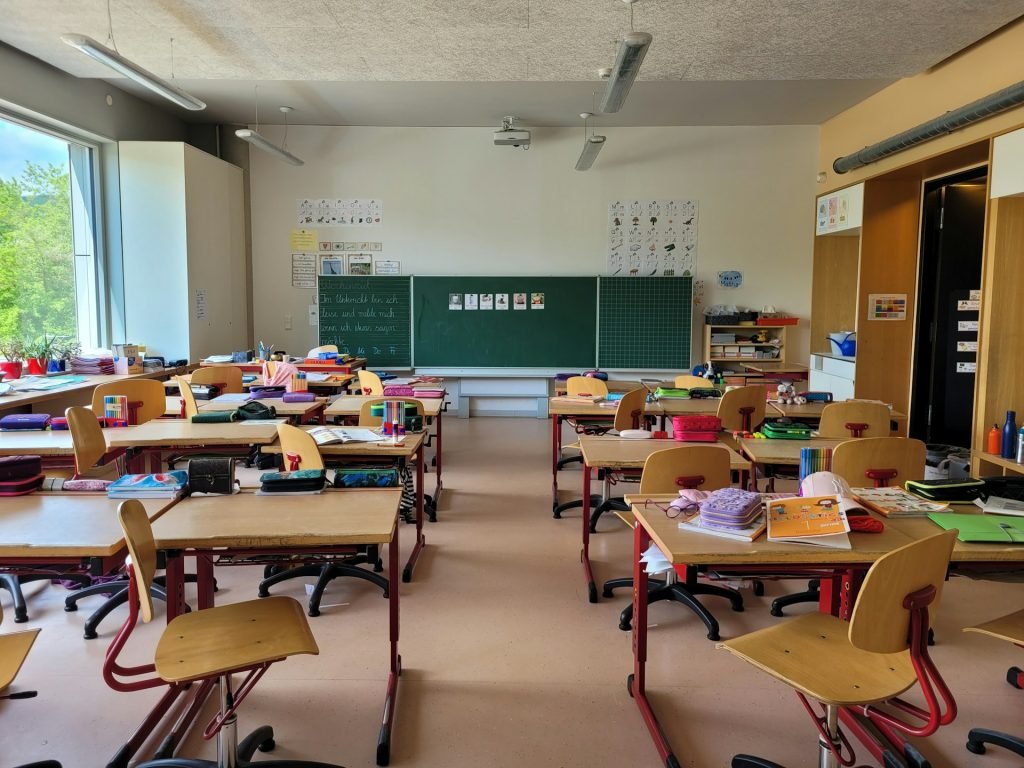
Why Spring Break Is the Most Strategic Time for Deep Cleaning in Bay Area Private Schools

Winter use leaves invisible buildup across classrooms, floors, carpets, and high-touch surfaces. Spring Break offers Bay Area private schools a rare vacancy window to reset campus conditions through structured deep cleaning, floor care, and disinfection services. Addressing accumulation mid-year reduces health exposure, preserves materials, and supports operational continuity before summer scheduling pressures begin.

Why Spring Break Is the Most Strategic Time for Deep Cleaning in Bay Area Private Schools Read More »

https://unsplash.com/es/fotos/un-aula-llena-de-pupitres-y-sillas-Qw6wa96IvvQ?utm_source=unsplash&utm_medium=referral&utm_content=creditShareLink

Why February Is the Highest-Risk Month for Private School Cleaning Failures in the Bay Area

February exposes sanitation gaps in private K–12 campuses across the Bay Area. High-touch surfaces, restrooms, flooring, and classroom environments reveal whether cleaning systems are structured or reactive. This article explains recurring failure patterns, operational risks, and how professional private school cleaning services protect compliance, reputation, and continuity without unnecessary escalation.

Why February Is the Highest-Risk Month for Private School Cleaning Failures in the Bay Area Read More »

Why “Too Expensive” Is the Most Dangerous Assumption Restaurant Owners Make About Cleaning

Many restaurant owners compare cleaning services to in-house labor and assume outside help is too expensive. This operational blind spot often hides compliance risk, inspection exposure, equipment degradation, and accountability gaps that compound quietly over time, especially in small to mid-size restaurants operating under constant peak-hour pressure.

Why “Too Expensive” Is the Most Dangerous Assumption Restaurant Owners Make About Cleaning Read More »

What Health Inspectors Really Look for in Restaurant Cleaning

Health inspections rarely fail over one missed detail. They fail when small cleaning gaps accumulate quietly. This guide explains what inspectors really notice in Bay Area restaurants, from floors and restrooms to grease buildup and high touch surfaces, and how professional cleaning prevents compliance issues before inspections arrive.

What Health Inspectors Really Look for in Restaurant Cleaning Read More »

Scroll to Top