Facility Management

The Nightly Operational Reset: The Anatomy of a 7-Day Restaurant Cleaning Contract

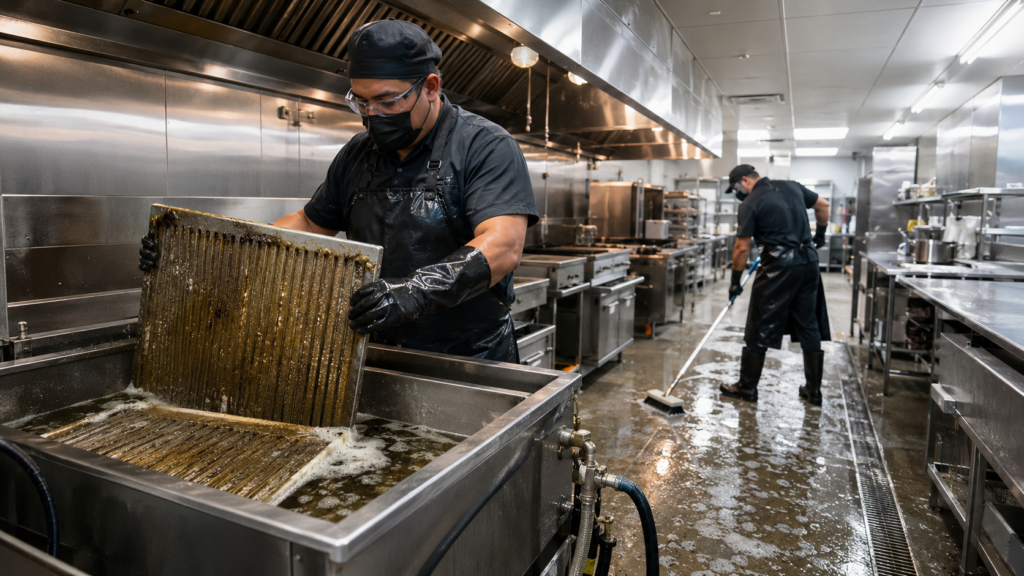
Basic sweeping and mopping cannot eliminate the aerosolized grease and organic biofilm accumulating in a commercial kitchen. A comprehensive nightly operational reset addresses hidden fire hazards, exhaust system degradation, and drain blockages. Learn how structured restaurant nightly cleaning services protect your facility from health code violations and ensure continuous operational compliance for high volume dining environments across all service areas.

The Nightly Operational Reset: The Anatomy of a 7-Day Restaurant Cleaning Contract Read More »

The Compliance Gap: What Daily Cleaning Misses Before a Restaurant Health Inspection

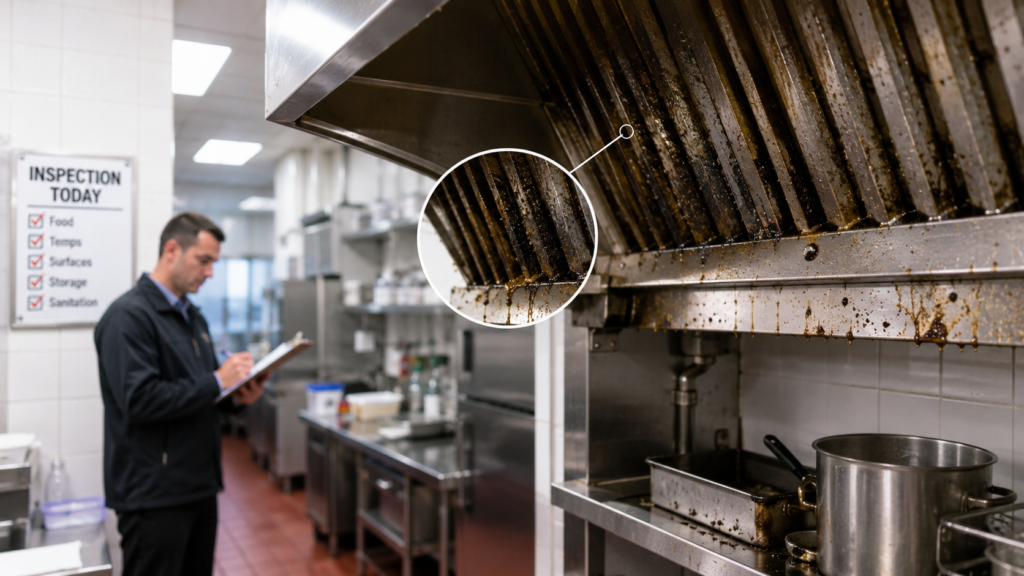
Daily cleaning maintains surface aesthetics, but it cannot eliminate the micro-grease and biofilm accumulating in crevices and grout. When health inspectors evaluate your facility, they look beyond freshly mopped floors. Learn how structured monthly deep cleaning protocols address hidden vulnerabilities, mitigate compliance risks, and protect your restaurant operational continuity and overall brand reputation for the entire busy summer season ahead.

The Compliance Gap: What Daily Cleaning Misses Before a Restaurant Health Inspection Read More »

Beyond the Daily Mop: The Biofilm Blindspot in Bay Area Gym Locker Rooms

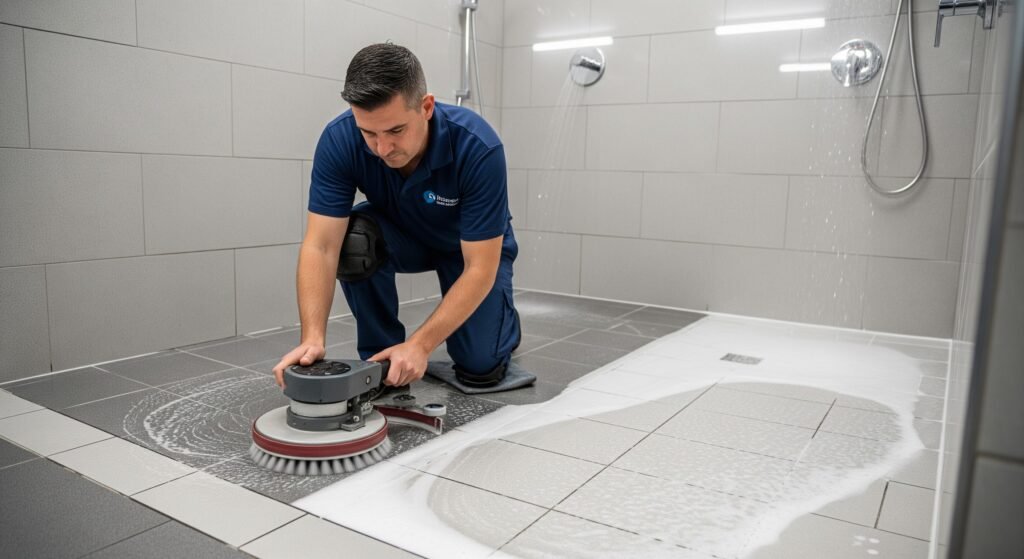
Standard daily mopping cannot reach the microscopic pores of commercial shower grout lines, allowing hidden biofilm to cause persistent odors and member complaints. This comprehensive article explains the structural limitations of daily cleaning protocols in Bay Area fitness centers. Discover how specialized deep cleaning and targeted tile maintenance restore hygiene, protect your reputation, and prevent costly structural degradation over time.

Beyond the Daily Mop: The Biofilm Blindspot in Bay Area Gym Locker Rooms Read More »

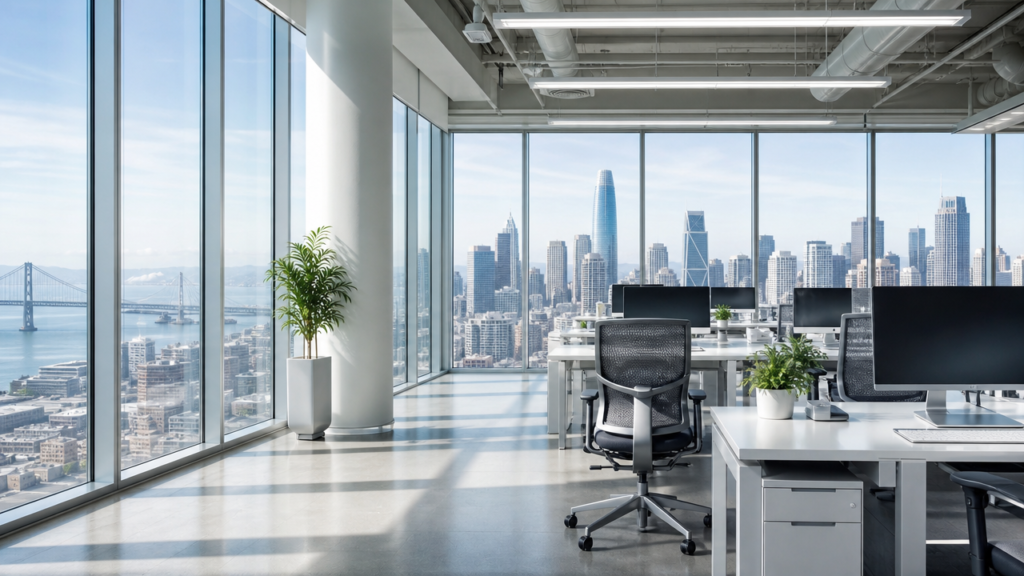
Why Bay Area Office Managers Are Rewriting Cleaning Specifications: The Hidden Gap Between “Clean” and “Operationally Safe”

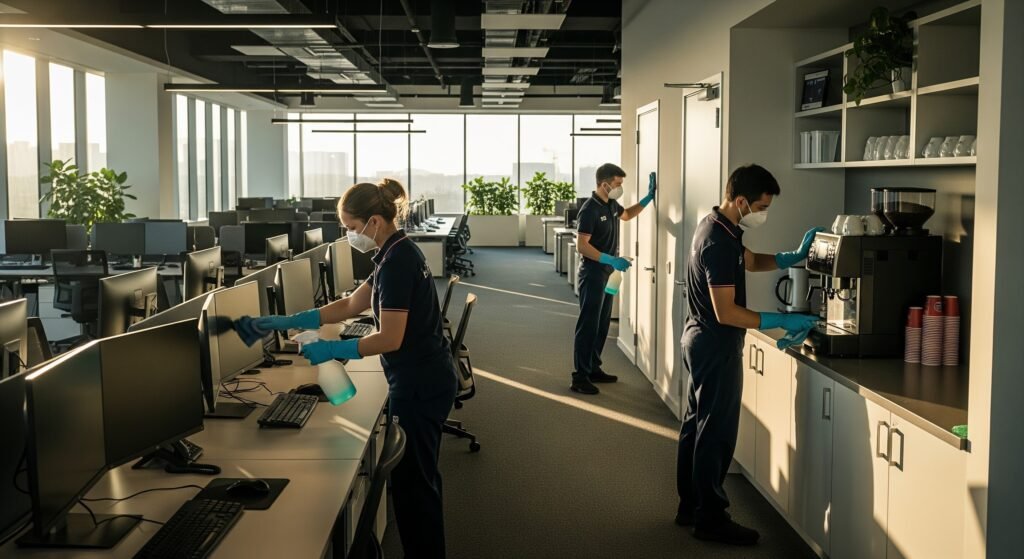
Bay Area office managers are updating cleaning specifications to address the gap between visual cleanliness and operational safety. This article explains why ambiguous protocols create latent risk for employee trust, reputation, and compliance readiness. Learn how professionals structure specifications that align with usage patterns, sustainability commitments, and verification practices—without adding administrative burden.

Why Bay Area Office Managers Are Rewriting Cleaning Specifications: The Hidden Gap Between “Clean” and “Operationally Safe” Read More »

When a Hotel Needs More Than a Daily Clean: Understanding Deep Cleaning for Bay Area Properties

Daily cleaning keeps a hotel presentable, but only periodic deep cleaning reaches the accumulated soil, mineral buildup, and embedded grime that settles into carpets, grout, upholstery, and kitchen surfaces over time. For Bay Area hotels, a structured deep cleaning program is a strategic investment in asset longevity, guest perception, and brand audit readiness. This article explains what deep cleaning actually involves, which zones it addresses, and how to integrate it without disrupting daily operations.

When a Hotel Needs More Than a Daily Clean: Understanding Deep Cleaning for Bay Area Properties Read More »

What Bay Area Hotels Need to Know Before Adding a Day Porter Service

Bay Area hotels face unique pressures: high guest expectations, tight labor markets, and the constant challenge of keeping public areas immaculate between nightly deep cleans. A dedicated day porter service provides a structured, professional solution that separates room cleaning from continuous public area maintenance. This article offers a clear framework for hotel operators evaluating the role, from scope definition to integration, provider selection, and the hidden costs of leaving the gap unaddressed.

What Bay Area Hotels Need to Know Before Adding a Day Porter Service Read More »

Slip Hazards in Airport Terminals: Why Floor Maintenance Is Critical for Safety and Operations in Bay Area Airports

Airport terminals in the Bay Area experience constant foot traffic, making floor safety a critical concern. Spills, moisture, and worn surfaces can quickly create slip hazards. This article explains why advanced floor treatment and continuous cleaning are essential to prevent accidents, reduce liability, and maintain safe, professional environments in airports like SFO, OAK, and SJC.

Slip Hazards in Airport Terminals: Why Floor Maintenance Is Critical for Safety and Operations in Bay Area Airports Read More »

Airport Restroom Cleaning in the Bay Area: The Hidden Standard That Defines Passenger Experience at SFO, OAK, and SJC

In Bay Area airports like SFO, OAK, and SJC, restroom cleanliness is one of the most visible indicators of facility quality. With constant passenger flow, restrooms can deteriorate within minutes. Discover why continuous cleaning, deep sanitation, and proactive maintenance are essential to protect passenger experience, meet hygiene expectations, and support airport operations in high-traffic environments.

Airport Restroom Cleaning in the Bay Area: The Hidden Standard That Defines Passenger Experience at SFO, OAK, and SJC Read More »

Why Airport Terminals Require Continuous Day Porter Services to Protect Passenger Experience and Brand Reputation

Airport terminals operate nearly 24 hours a day and welcome thousands of travelers daily. Without continuous cleaning, trash, spills, and restroom deterioration quickly damage the passenger experience. Learn why day porter services are essential for airport facility managers who want to maintain safety, operational efficiency, and a professional image throughout the entire travel environment.

Why Airport Terminals Require Continuous Day Porter Services to Protect Passenger Experience and Brand Reputation Read More »

The Hidden Enemy of Art: Dust Control in Museums and Galleries

Dust is one of the most persistent threats inside museums and art galleries. Microscopic particles carried by visitors, ventilation systems, and building materials slowly accumulate on surfaces and artifacts. This article explains why dust damages artwork, how particles circulate through museum environments, and how structured cleaning protocols help protect cultural collections and maintain stable gallery conditions.

The Hidden Enemy of Art: Dust Control in Museums and Galleries Read More »

Scroll to Top