
Introduction
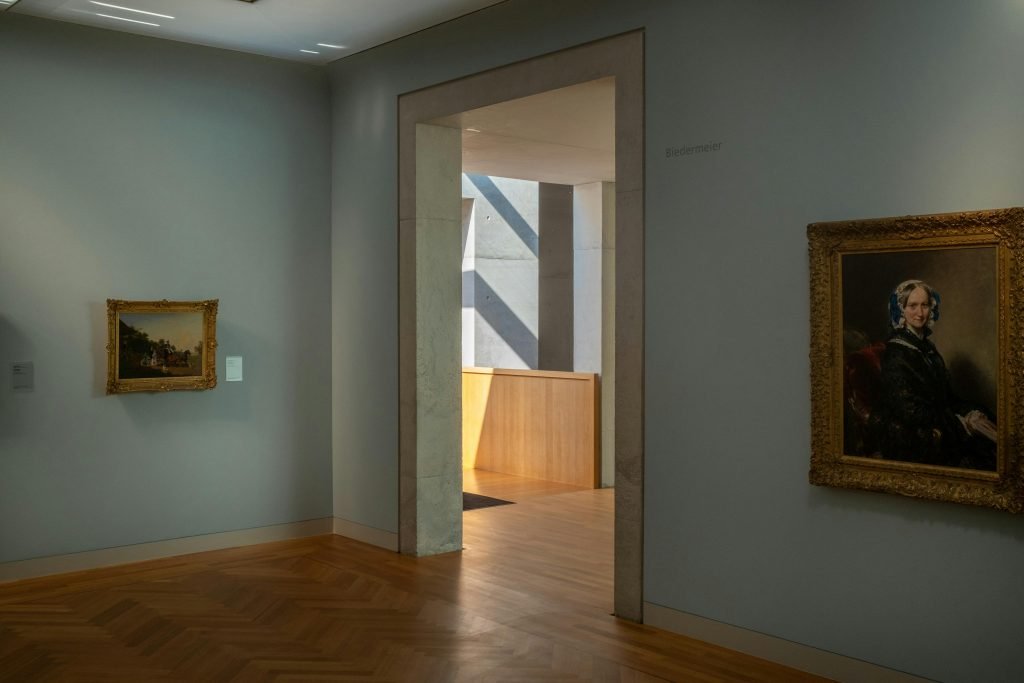
In many cultural institutions across the Bay Area, cleaning happens before the first visitor arrives and long after the last one leaves. The work is quiet and largely invisible. Visitors see polished floors, spotless glass cases, and calm gallery spaces. What they rarely see is the operational tension behind maintaining those environments without compromising the artifacts, collections, or building materials that make museums valuable in the first place.
For museum facility managers and operations directors, cleaning is not simply a matter of appearance. It is a balance between preservation, visitor safety, and operational continuity. Routine cleaning activities that would be harmless in a typical office building can introduce real risks in galleries, archives, and exhibition halls.
The difference lies in how museums function. They are public spaces, but they also operate as conservation environments. Dust, moisture, vibration, and chemicals can all create problems that develop slowly and often remain unnoticed until the consequences are difficult or expensive to reverse.
Understanding how cleaning interacts with those risks is the first step toward building maintenance protocols that support the long-term stability of cultural spaces.
Dust Is Not Just a Cleaning Issue
In most commercial environments, dust is considered a cosmetic problem. It affects appearance, visitor perception, and general cleanliness. In museums, however, dust behaves differently.
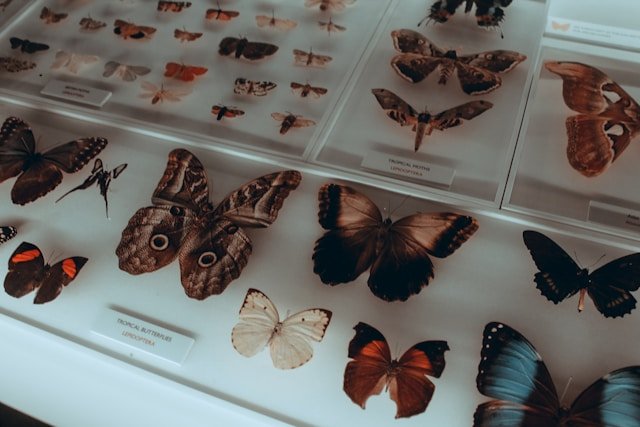
Dust particles carry organic materials, pollutants, and microscopic abrasives. Over time, these particles accumulate on surfaces such as sculptures, paintings, textiles, and display cases. Even in controlled environments, dust infiltration is inevitable because of visitor traffic, ventilation systems, and normal building activity.
The issue is not that dust appears. The issue is how it is removed.
Improper dust removal can move particles into sensitive surfaces or force them into joints, frames, and porous materials. In some cases, aggressive wiping can create micro abrasions that slowly degrade finishes or protective coatings.
Professional cleaning teams that work around museum environments approach dust differently. The process begins with understanding air movement patterns within galleries. Cleaning is sequenced to prevent redistribution of particles. Tools are selected to capture rather than disperse dust. HEPA filtration and microfiber systems are commonly used because they trap particles instead of pushing them across surfaces.
What appears to be a simple activity becomes a controlled process that protects both the collection and the building.
Cleaning Chemicals Can Create Long-Term Damage
Many commercial cleaning products are designed for efficiency. They remove grease, disinfect surfaces, and produce visible results quickly. In museums, these same products can introduce unintended consequences.
Certain chemicals release volatile compounds that interact with organic materials such as wood, textiles, paper, and natural pigments. Over time, these interactions can accelerate deterioration. Even small amounts of residue may contribute to long-term conservation problems.
Facility managers in museums often face a common operational dilemma. They must maintain sanitary conditions in public areas while ensuring that cleaning products do not compromise environmental stability.
Professional cleaning protocols typically address this through product selection and application control. Neutral cleaning agents are often preferred. Dilution standards are strictly followed. In many cases, mechanical cleaning methods are used before chemical intervention is considered.
This approach reduces chemical exposure while maintaining the cleanliness standards expected in public institutions.
High Visitor Traffic Creates Invisible Wear
Museums are designed to welcome visitors. In the Bay Area, major institutions can receive thousands of guests each day, especially during exhibitions or weekend events. Every visitor contributes to the gradual accumulation of debris, moisture, and oils carried on footwear.
The immediate effect may seem minor. Floors appear slightly dull, carpets collect particles, and entryways accumulate moisture during wet seasons. However, over time these conditions create deeper operational challenges.
Particles trapped in flooring materials act as abrasives. Moisture can affect adhesives and subfloor structures. Entrance areas become focal points for accelerated wear.
When cleaning programs are inconsistent, these effects compound. Floors require premature restoration. Carpets lose structural integrity. Surface finishes degrade faster than expected.
Facilities that maintain long-term stability usually approach floor care as a preventive system rather than a reactive task. Entryway matting, controlled cleaning frequency, and periodic deep cleaning are coordinated to reduce accumulated wear.
The objective is not simply to keep floors clean for visitors. It is to extend the lifespan of expensive building materials and reduce the need for disruptive repairs.
Display Areas Require Controlled Cleaning Movement
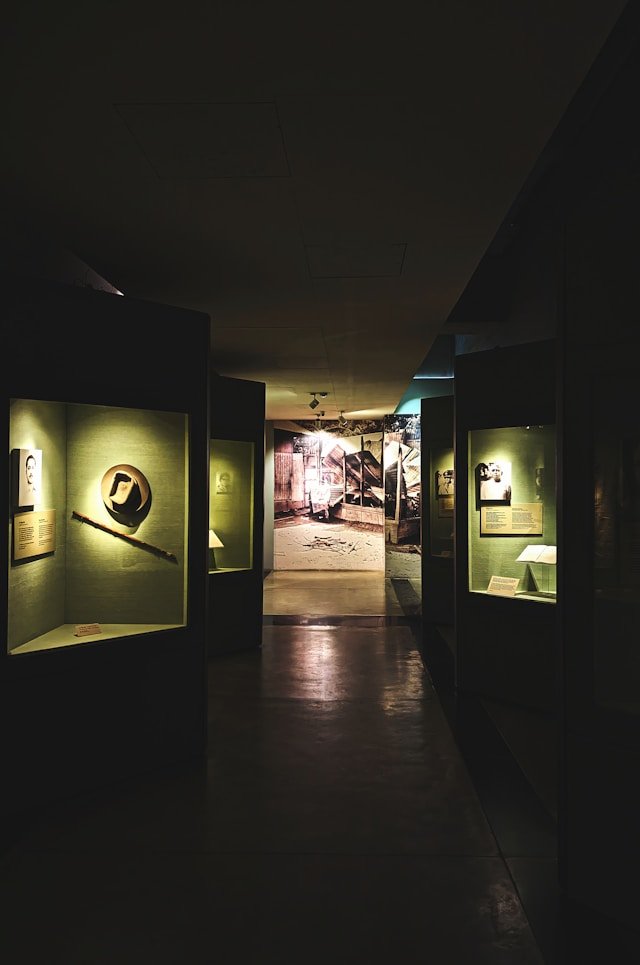
Exhibition environments present another challenge that many cleaning teams underestimate. Galleries often contain delicate installations, fragile display cases, and precisely positioned lighting systems.
In these environments, movement itself becomes a risk factor.
Cleaning equipment that works well in open commercial spaces can create problems in galleries. Wide floor machines may produce vibration. Vacuums without proper filtration can disperse particles. Even minor contact with display structures can create operational disruptions.
Because of this, cleaning inside galleries often requires a different workflow than the rest of the building.
Professional teams typically divide the work into zones. Public circulation areas may be cleaned using conventional methods, while exhibition areas follow a slower, more controlled approach. Equipment selection becomes critical. Low vibration tools, compact machines, and careful routing help ensure that cleaning does not interfere with the environment that exhibitions depend on.
This structured approach allows cleaning operations to coexist with conservation priorities.
Timing Matters More Than Most People Realize
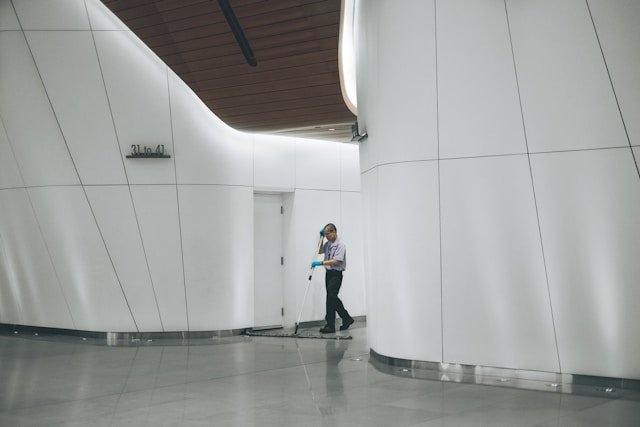
In office buildings, cleaning schedules are usually designed around employee convenience. Museums operate under a different rhythm.
Gallery conditions can change throughout the day as visitor traffic rises and falls. Environmental systems maintain temperature and humidity stability. Exhibition teams may be installing or removing displays during off hours.
Cleaning schedules must adapt to these patterns.
If cleaning occurs too early, visitor traffic quickly reintroduces debris. If cleaning occurs too late, operational teams may already be working inside the galleries. Improper timing can interfere with exhibition preparation, maintenance work, or conservation procedures.
Facilities that manage these complexities successfully treat cleaning as part of the operational schedule of the building. Communication between facility managers, conservation teams, and cleaning professionals becomes essential.
When coordination works well, cleaning supports the rhythm of the institution rather than disrupting it.
Consistency Prevents Small Problems from Escalating
The most common operational failures in museum cleaning rarely involve dramatic mistakes. Instead, they develop through small inconsistencies.
A missed cleaning cycle allows debris to accumulate in entryways. A poorly selected chemical leaves residue on flooring materials. Dust removal happens unevenly across different galleries.
Individually, these issues appear minor. Over time, however, they interact with environmental conditions and visitor activity. Gradually, maintenance costs increase and conservation risks grow.
This is why many institutions focus on consistency rather than intensity. A structured cleaning program that maintains stable routines often protects facilities more effectively than occasional deep interventions.
Consistency creates predictability. Predictability reduces risk.
For museum environments, that stability supports both public access and long-term preservation.
Closing Insight
Museums are built to preserve history, culture, and knowledge. Their maintenance routines quietly support that mission every day.
Cleaning in these environments is not defined by visible results alone. It is shaped by the need to protect delicate materials, maintain stable environments, and support continuous public access.
When cleaning practices align with those operational realities, the work becomes part of the institution’s preservation strategy. When they do not, small oversights can accumulate into larger problems that affect both facilities and collections.
Most of the time, the difference lies in structure. Clear protocols, appropriate tools, and consistent routines transform cleaning from a basic task into a quiet layer of operational protection.
Call to Action
If you manage a museum, gallery, or cultural institution in the Bay Area and want to review how your cleaning protocols support preservation and facility stability, a professional consultation can help clarify the structure behind those routines.