
January Is Not a Reset, It Is a Reveal
There is a myth in commercial property management that January is a quiet month, a time to breathe, regroup, and plan for later improvements. In reality, January is the month that exposes everything your building tried to hide in Q4.
Holiday foot traffic leaves behind more than decorations and empty coffee cups. It leaves contamination, floor damage, restroom stress, and HVAC dust buildup. Deferred maintenance decisions made during the end-of-year rush do not disappear when the calendar flips, they resurface, often at the worst possible moment.
In the Bay Area, January adds its own twist. Cold nights, rain, fog, and higher indoor occupancy create a perfect storm for slips, odors, mold risk, and employee complaints. Ignoring cleaning issues during this month does not save money, it compounds risk.

If your plan is to “wait until spring,” January is already working against you.
The Post-Holiday Reality Most Facilities Underestimate
Q4 is brutal on commercial spaces. Offices host end-of-year meetings, retail locations see spikes in foot traffic, and shared spaces operate under pressure. Cleaning standards often shift from proactive to reactive, just to keep things moving.
By January, the evidence is everywhere.
Carpets show flattened traffic lanes that vacuuming alone cannot fix. Breakrooms and restrooms carry lingering odors that no air freshener can disguise. Dust accumulates in places no one notices until daylight returns and windows are opened again.
Holiday contamination is not just visual. High-touch surfaces, door handles, elevator buttons, shared desks, and reception counters have absorbed weeks of heavy use. If those areas were not deep-cleaned immediately after the holidays, January becomes the month when bacteria and allergens settle in for a longer stay.
This is where many businesses make a costly assumption, that normal weekly cleaning will eventually take care of it. It rarely does. Residual contamination needs targeted, professional intervention, not patience.
Cold Weather, Moisture, and the Slip-and-Fall Problem
Bay Area winters may not look dramatic compared to other regions, but moisture is relentless. Rain, fog, condensation, and wet shoes turn lobbies, hallways, and entrances into risk zones.
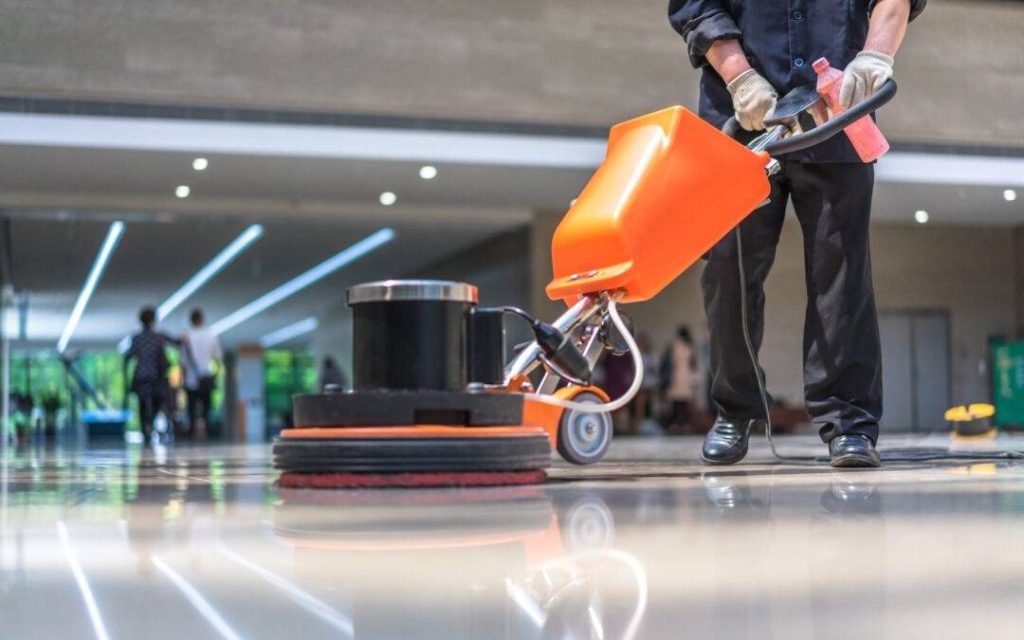
January is peak season for slip-and-fall incidents in commercial buildings. Floors that performed fine in dry months suddenly become hazardous. Entry mats are overwhelmed. Hard surfaces lose traction. Carpets stay damp longer, creating odor and mold conditions.
Ignoring this in January is not just a cleanliness issue, it is a liability issue.
Professional floor care during this period does more than improve appearance. It restores proper traction, removes moisture-retaining residue, and helps facilities comply with safety expectations. Waiting until spring means accepting unnecessary exposure to accidents, insurance claims, and uncomfortable conversations with tenants or employees.
Mold Risk Starts Quietly in January
Mold does not announce itself with drama. It starts quietly, in corners, behind furniture, under damp carpets, and inside poorly maintained restrooms. January provides ideal conditions, cool temperatures, limited ventilation, and moisture.
Many Bay Area businesses assume mold is a summer problem. That assumption is outdated. Indoor mold growth often begins in winter, especially when cleaning schedules are reduced and windows stay closed.
By the time mold becomes visible or odorous, remediation costs escalate quickly. A proactive deep cleaning and moisture control strategy in January is far cheaper than dealing with complaints, health concerns, or inspections later in the year.
Inspection Cycles Restart in January
January marks a reset for many inspection and compliance cycles. Health departments, safety auditors, property insurers, and internal corporate reviews all come back online after the holidays.
Inspectors notice things employees have learned to ignore.
Dust on vents. Grime behind doors. Stained baseboards. Floors that look clean at first glance but fail under closer inspection. These details matter, especially in regulated industries and shared commercial properties.
Facilities that treat January as downtime often find themselves scrambling when inspection notices arrive. Those that schedule a professional cleaning assessment early in the month enter the year prepared, confident, and far less stressed.
Why Waiting Until Spring Is a Strategic Mistake
Spring cleaning sounds nice. It feels optimistic. It also assumes nothing will go wrong between January and March.
That assumption is risky.
Dirt becomes damage when left untreated. Moisture becomes mold. Minor floor wear becomes costly restoration. Employee dissatisfaction quietly increases when workspaces feel neglected. Clients notice, even when they do not say anything.
January is when small problems are still manageable. By spring, many of those problems have matured into line items on a repair budget.
From a financial perspective, January cleaning is preventative maintenance. From a branding perspective, it signals that your business takes standards seriously year-round, not just when flowers bloom.
The Psychological Impact of Cleanliness in January
There is also a human factor that facilities often overlook. January sets the tone for the year. Employees return with fresh expectations, new goals, and heightened sensitivity to their environment.
A workspace that feels tired, dirty, or neglected sends a subtle but powerful message. It suggests stagnation, not renewal.
Conversely, a visibly clean, fresh-smelling, well-maintained environment supports morale, focus, and professionalism. It tells people that the organization is serious about doing things right, starting now.
This is not about perfection. It is about intentional care at a moment when people are most receptive to change.
Janitorial Services Are Not a Commodity in January
Many businesses treat janitorial services as interchangeable, especially during slow months. January proves why that mindset fails.
This is the month when cleaning needs are more complex, not less. Surface-level cleaning is insufficient. Facilities require assessment, prioritization, and targeted solutions.
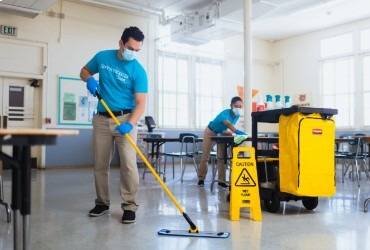
Professional janitorial services in January should include a strategic review, not just a checklist. What areas took the most abuse in Q4? Where is moisture accumulating? Which surfaces need restoration rather than routine cleaning?
The difference between a basic service and a professional one becomes obvious very quickly during this period.
Office Cleaning That Goes Beyond Appearances
Office cleaning in January is about function as much as image. Clean desks support productivity. Sanitized shared spaces reduce illness-related absences. Proper floor care improves safety and acoustics.
January colds and flu season make this even more critical. High-touch disinfection is not optional, it is operationally smart.
Businesses that reduce cleaning frequency in January often experience higher absenteeism, lower energy, and more complaints. The savings are short-lived. The costs show up elsewhere.
Floor Care, The Most Ignored January Priority
Floors suffer more in January than most facility managers realize. Moisture, salt residue from shoes, abrasive debris, and heavy traffic combine to degrade surfaces quickly.
Without proper floor care, finishes wear unevenly, carpets trap contaminants, and surfaces lose traction. January is the ideal time to reset floors before damage becomes permanent.
Professional floor care restores appearance, extends material life, and improves safety. It is not an aesthetic luxury, it is asset protection.
January Cleaning Is About Control
At its core, January cleaning is about regaining control after the chaos of Q4. It is about addressing reality instead of postponing it.
Facilities that act in January operate from a position of strength. They prevent issues rather than react to them. They enter inspection season prepared. They protect employees, visitors, and assets.
Facilities that delay spend the next months catching up.
What a January Professional Cleaning Assessment Should Include
A proper January assessment is not a sales pitch. It is a diagnostic.
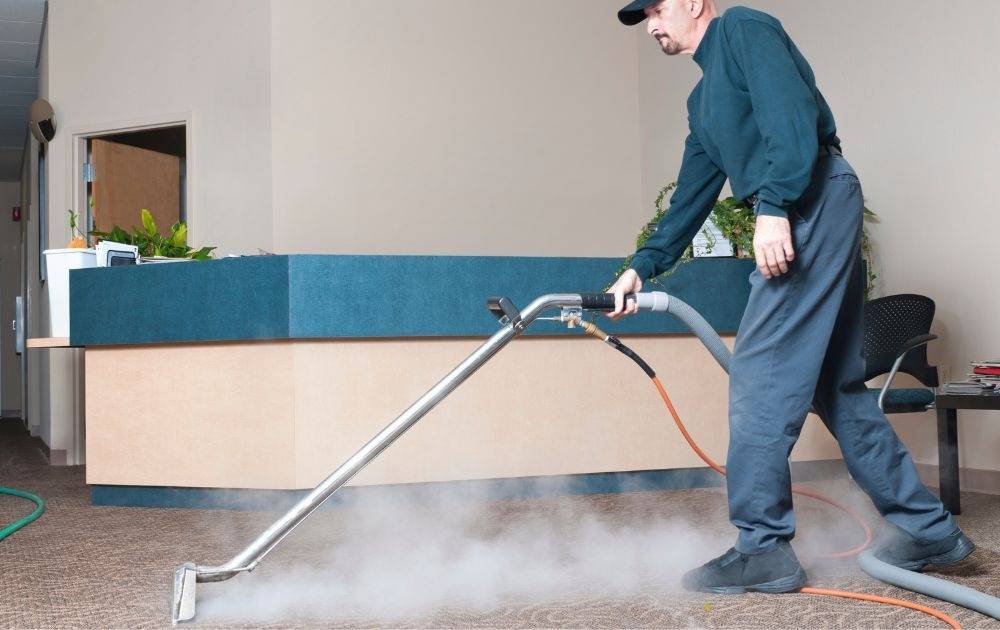
It should identify post-holiday contamination zones, moisture risks, floor condition issues, restroom performance, and compliance gaps. It should prioritize actions based on risk and return, not aesthetics alone.
This approach allows businesses to invest intelligently rather than emotionally. It replaces guesswork with clarity.
A Small Dose of Honesty and Humor
No one has ever said, “I wish we had ignored cleaning issues longer.” They say, “We should have handled this earlier.”
January is not glamorous. It is honest. It shows you exactly how your facility is doing, without filters, without excuses.
Think of it as your building telling you the truth, whether you asked for it or not.
Start the Year the Right Way
January is not the month to look away. It is the month to look closely.
If your Bay Area business wants to reduce risk, protect its people, and avoid unnecessary costs later in the year, now is the moment to act.
Start the year with a professional cleaning assessment.
It is one of the simplest decisions you can make that pays off all year long.