And Why They Keep Showing Up Every January
Introduction
January has a particular way of telling the truth.
Not loudly, not dramatically, just quietly enough that you cannot ignore it. In Bay Area offices, it shows up in small details. Floors that never quite look clean anymore. Restrooms that seem fine until you pause for a second too long. Trash that is technically removed, yet somehow still present in the air.
After the holidays, after the year-end rush, after everyone promised to reset, offices settle back into routine. That is when the gaps appear. Not because anyone failed on purpose, but because cleaning programs are often built to maintain appearances, not performance.
We walk through offices across San Francisco, Oakland, San Mateo, and Silicon Valley every week. January is when we see the same patterns repeat. This article is not about blame. It is about recognition. Most office managers already sense something is off, they just have not named it yet.
Inconsistent Restroom Sanitation
Restrooms are usually cleaned every day. That is not the problem.
The problem is how uneven that cleaning is. Toilets are disinfected, but stall locks are sticky. Sinks shine, but faucet handles feel questionable. Floors are mopped, yet corners collect grime week after week.
This creates a strange illusion. Everything looks clean at first glance, but the longer you stay, the less convincing it feels.
January makes this worse. Higher illness rates, heavier usage, and colder weather amplify odors and residue. Employees notice. Visitors notice too, even if they do not say anything.

Why it happens
Most cleaning teams rely on routine rather than process. When cleaning lives in someone’s memory instead of a checklist, quality depends on mood, time pressure, and who happened to work that shift.
How professionals fix it
Professional restroom sanitation is procedural. Every surface is defined. Every step is documented. Inspections verify results. Restrooms stop being the most complained-about space and become invisible again, which is exactly what you want.
High-Touch Surfaces Everyone Uses and No One Cleans
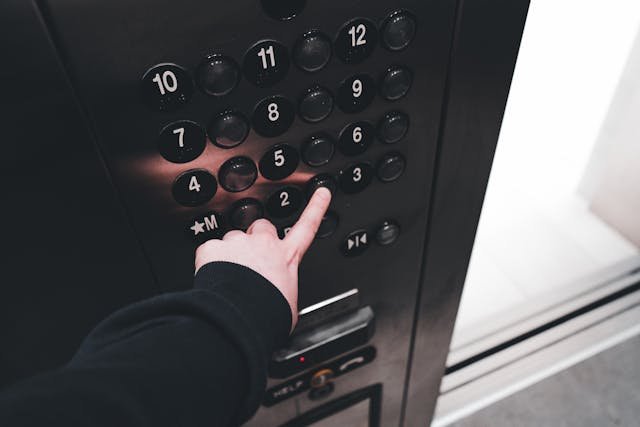
Door handles. Light switches. Elevator buttons. Refrigerator doors. Coffee machines. Shared printers.
These surfaces carry more contact than almost anything else in the office, yet they are cleaned the least. Not because they are forgotten, but because they slow things down.
From a distance, they do not register as dirty. Up close, especially in January, they tell a different story.
Cold and flu season turns neglected touchpoints into quiet risk multipliers. Employees start wiping things themselves. Hand sanitizer bottles appear everywhere. The office feels slightly defensive.
Why it happens
High-touch cleaning takes time and intention. Many low-cost janitorial agreements simply do not account for it in any consistent way.
How professionals fix it
High-touch surfaces are identified, scheduled, and tracked separately. They are treated as a category, not an afterthought. When done correctly, illness concerns drop and trust in the workplace rises.
Floors That Look Worn but Are Actually Dirty
Floors do not lie.
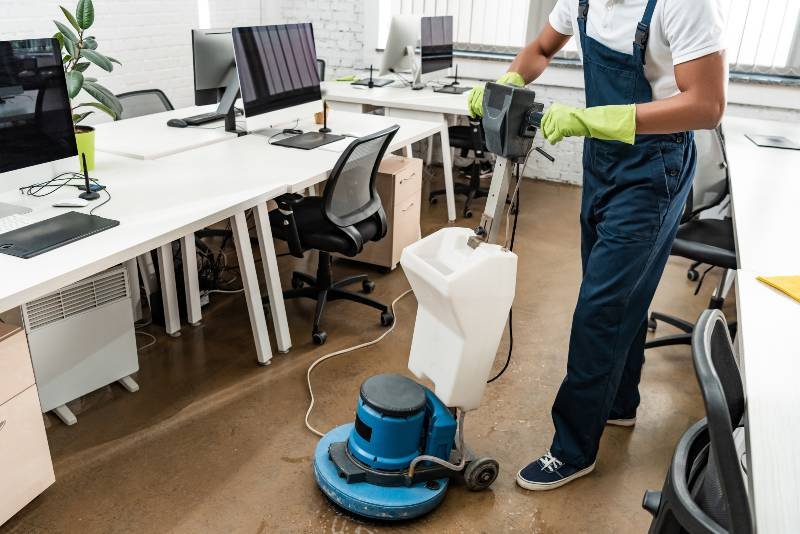
In many Bay Area offices, dull tile and gray carpets are written off as age or heavy traffic. In reality, most of that discoloration is compacted soil, residue, and neglected maintenance.
Daily vacuuming without extraction pushes dirt deeper. Mopping with incorrect dilution leaves sticky films. Skipping periodic deep cleaning turns minor wear into permanent damage.
January lighting, lower sun angles, and wet shoes make these problems impossible to ignore.
Why it happens
Floor care beyond daily cleaning is often postponed because it feels disruptive. Eventually, it stops being discussed altogether.
How professionals fix it
A real floor program separates maintenance from restoration. Daily cleaning preserves, scheduled deep care resets. Floors begin to look intentional again, not merely survived.
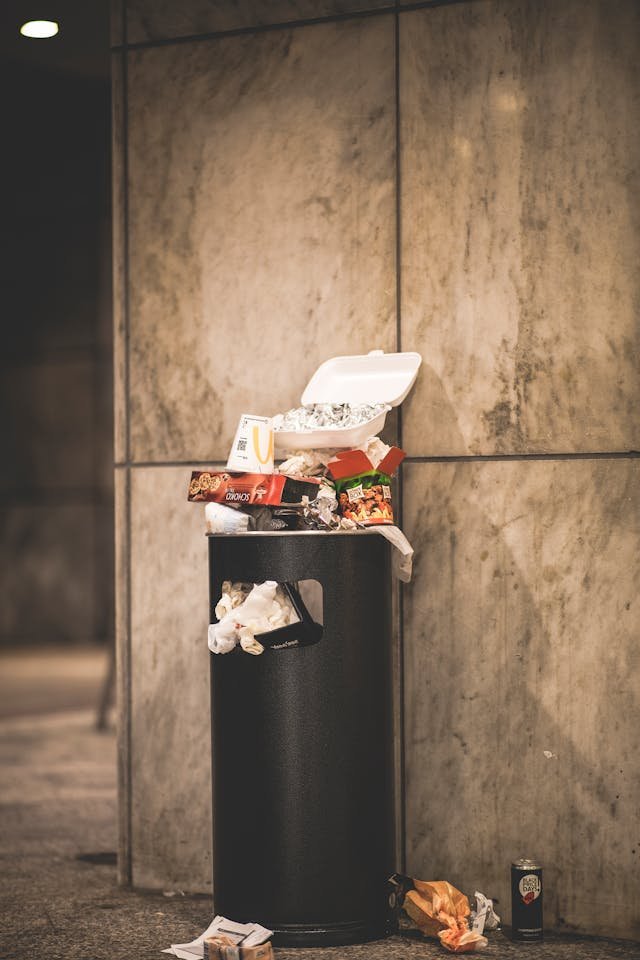
Trash Removal Without Odor Control
Trash being emptied does not mean waste is managed.
Food residue, leaked liquids, and recycling bins that are never washed create a slow buildup of odor. In January, with windows closed and ventilation reduced, those smells have nowhere to go.
Break rooms feel off first. Then restrooms. Then entire hallways.
People notice, even if they cannot identify the source.
Why it happens
Most cleaning agreements define removal, not sanitation. Once the bag is gone, the job is considered complete.
How professionals fix it
Bins are cleaned, deodorized, and inspected on a schedule. Odor control becomes preventative rather than reactive. The office smells neutral again, which is the goal.
Cleaning Vendors Without Accountability
This is the issue behind all the others.
Many office managers assume cleaning is happening because no one complains. Cleaning vendors assume silence means approval. Over time, standards drift. Staff changes. Shortcuts quietly become the norm.
January disrupts that comfort. New budgets, inspections, leadership reviews. Suddenly, there is no clear evidence that cleaning is being done well, only that it is being done.

Why it happens
Accountability takes structure. Walkthroughs, reporting, communication. These elements are rarely included unless they are explicitly required.
How professionals fix it
Professional cleaning is measurable. Expectations are documented. Results are reviewed. Small issues are corrected before they turn into visible failures.
Why These Problems Keep Returning Every Year
Cleaning failures rarely come from neglect. They come from systems that never evolved.
Offices grow. Teams change. Usage increases. Cleaning programs remain static.
January is not the problem. It is the mirror. It shows exactly where a cleaning strategy stopped adapting.
What a Real Cleaning Reset Looks Like
A reset does not start with new products or louder promises. It starts with observation.
A professional team evaluates restrooms, floors, touchpoints, waste handling, and communication processes. Weak spots are identified. Standards are clarified. Accountability is established.
The objective is not perfection. It is consistency, health, and quiet confidence.
Final Thought
If you saw your office reflected in more than one of these sections, that is not a failure. It is information.
Cleaning issues rarely resolve themselves. They either compound quietly or are addressed deliberately.
January simply gives you the clarity to choose.
Call to Action
Let our team identify and correct these issues before they escalate.
We help Bay Area offices move from reactive cleaning to professional, accountable maintenance.