Spring Break is often described as a pause in the academic calendar. On campus, however, it reveals something else.
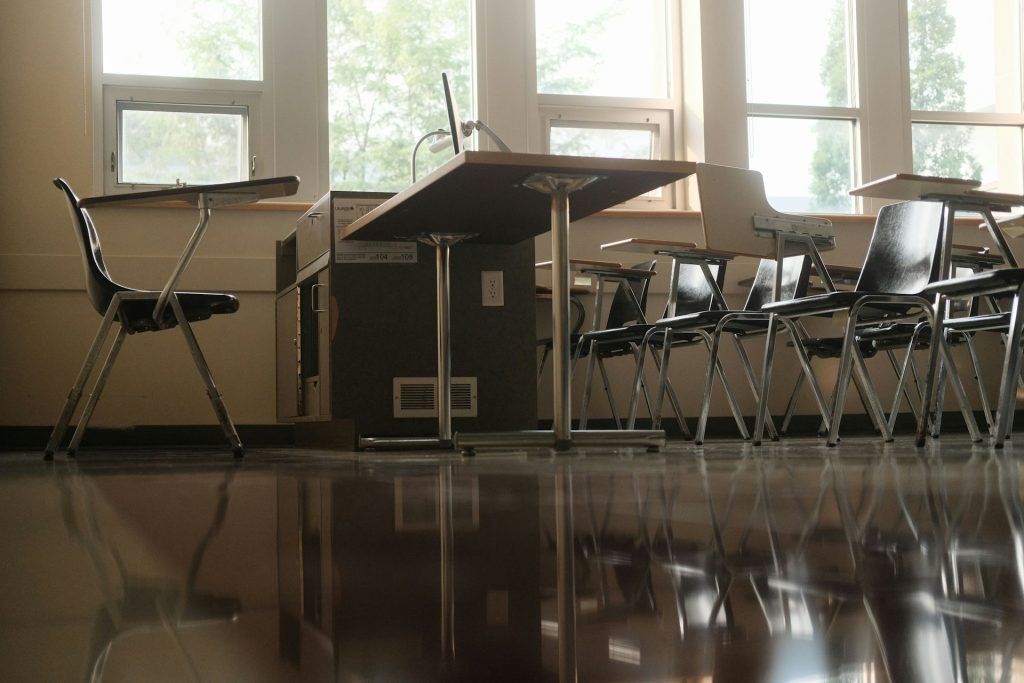
Walk through a private K-12 school in the Bay Area in late February or early March and the patterns are visible. Entry mats are darkened from months of tracked-in moisture. Corridor floors show dull traffic lanes. Classroom corners hold fine dust that daily routines never fully reach. Restrooms have been maintained, but not reset. High-touch surfaces have been wiped thousands of times, yet still carry the residue of constant use.
None of this signals negligence. It reflects volume.
Winter compresses usage, weather, and illness into a single operational cycle. By the time Spring Break arrives, routine janitorial services have maintained appearance, but deeper contamination and material fatigue remain embedded. The question is not whether the school looks clean. It is whether the campus has been structurally reset.
For private schools that depend on health stability, parent confidence, and uninterrupted instruction, that distinction matters.
The Limits of Routine Janitorial Services
Daily cleaning in a school environment is designed for continuity. Trash removal, restroom maintenance, surface wiping, vacuuming, and visible upkeep allow classrooms to function each morning without disruption. These tasks are essential and ongoing.
What they are not designed to do is reverse accumulation.
Over a full winter term, particulate soil embeds into carpet fibers. Floor finishes absorb fine abrasives from shoes and playground grit. High-touch areas such as door handles, desk edges, light switches, and shared equipment are sanitized repeatedly, yet remain part of a high-frequency contact chain.
Routine janitorial services preserve order. They do not dismantle patterns that build slowly.
When administrators rely exclusively on daily cleaning cycles, they often assume that consistent maintenance equals full remediation. In reality, contamination and wear accumulate in layers. Without intervention, those layers compound quietly, increasing both health exposure and material degradation.
Professionally structured deep cleaning addresses this gap. It is not an intensified version of daily service. It is a reset cycle designed to remove what routine maintenance cannot.
Winter Contamination Patterns in K-12 Campuses
Private K-12 campuses operate differently from office environments. Students move between classrooms. Shared spaces such as libraries, cafeterias, chapels, and gyms concentrate contact. Younger students interact with surfaces at different heights and frequencies than adults.
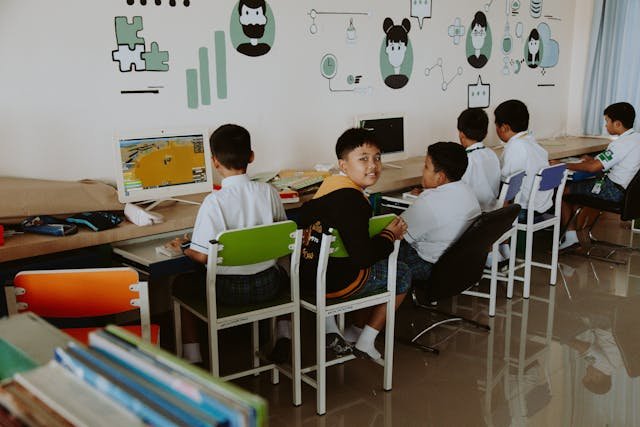
During winter months, several predictable patterns emerge.
First, increased indoor congregation. Cold and rain reduce outdoor time, intensifying hallway and classroom traffic.
Second, moisture introduction. Even in the Bay Area’s moderate climate, rain events bring soil and fine debris into buildings.
Third, illness cycles. Flu season and seasonal viruses increase absenteeism, but also increase surface contact from symptomatic and asymptomatic individuals.
These are not isolated incidents. They are seasonal operating conditions.
Without a scheduled deep cleaning window, pathogens and organic matter remain embedded in carpet fibers, beneath furniture, and within floor finishes. While daily disinfection reduces surface-level exposure, it does not address reservoirs that develop over months of concentrated use.
Deep Cleaning, combined with structured Disinfection Services, targets these patterns at their root. High-touch surface protocols are expanded. Carpets undergo extraction rather than surface vacuuming. Restrooms are treated beyond visible cleaning standards. Classrooms are detailed in areas typically untouched during occupied hours.
The result is not cosmetic improvement. It is a structural interruption of accumulated contamination.
Floors as an Early Warning System
Facility directors often recognize problems first in flooring.
Hallways begin to show uneven sheen. Entry areas lose gloss. Gym floors require increased spot attention. Teachers request more frequent cleaning in high-traffic areas.
These symptoms indicate finish fatigue.
Floor Care is not merely aesthetic maintenance. In VCT corridors and multipurpose spaces, the protective finish layer absorbs soil and abrasion. Once compromised, the underlying material is exposed to faster wear. Deferred restoration leads to premature stripping, costly resurfacing, or full replacement.
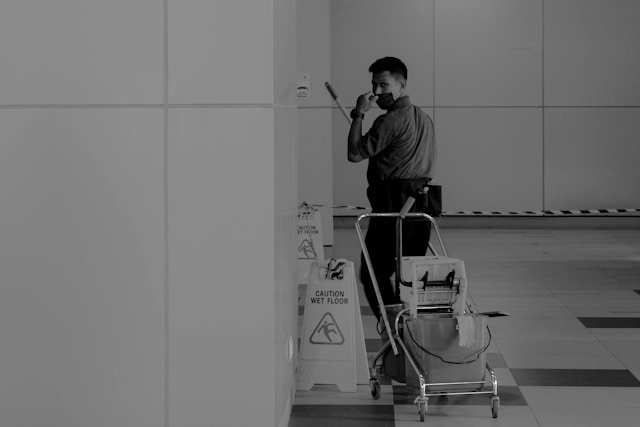
Spring Break provides the last low-disruption window before summer programming begins. Attempting stripping and waxing during active school days is impractical and disruptive. Waiting until summer compresses work into a narrower timeline when other facility projects compete for scheduling.
Professional Floor Care during Spring Break stabilizes surfaces before deeper damage occurs. It restores protective layers, improves cleanability, and reduces long-term capital exposure.
Ignoring this window does not cause immediate failure. It accelerates slow degradation.
Carpets as Hidden Contamination Reservoirs
Carpeted classrooms and administrative offices present a different challenge.
Vacuuming removes loose debris. It does not extract embedded soil, allergens, or moisture-bound contaminants. Over time, fibers trap particulates that affect indoor air quality and increase odor retention.
In environments with younger students, where floor-level activities are common, this becomes more than a cosmetic issue.
Carpet Cleaning during an unoccupied period allows for deep extraction processes that require drying time. Attempting such work during regular sessions introduces logistical challenges and limits effectiveness.
More importantly, carpets that are not periodically reset become progressively harder to maintain. Daily vacuuming yields diminishing returns. Spot treatments become more frequent. Staff perceive persistent dullness or odor despite visible effort.
Professional extraction during Spring Break interrupts that cycle. It restores fiber resilience and reduces the microbial load that accumulates during high-use seasons.
High-Touch Surfaces and Compliance Sensitivity
Private schools operate under a unique reputational lens. Parents are observant. Faculty expect safe conditions. Boards expect prudent oversight.
In this context, Disinfection Services must be structured and documented, not assumed.
High-touch points such as railings, door hardware, sink fixtures, shared technology devices, and cafeteria surfaces form predictable contact chains. During winter, contact frequency increases. While daily cleaning addresses visible soil, systematic deep disinfection protocols during a vacancy window allow for expanded coverage and dwell time.
This matters in two ways.
First, it reduces health risk exposure. Second, it demonstrates governance discipline.
Schools that treat Spring Break as an operational reset signal to stakeholders that maintenance is proactive rather than reactive. That distinction supports reputation protection and reduces anxiety among parents who are increasingly attentive to facility standards.
The Risk of Compressed Summer Timelines
Some institutions defer comprehensive Deep Cleaning to summer.
Summer is valuable for large-scale projects, but it is also congested. Construction upgrades, technology installations, enrollment preparation, and staff planning converge in a short window.
When deep cleaning is postponed until summer, two operational pressures emerge.
First, time compression. Crews work around other contractors, reducing flexibility.
Second, extended exposure. The campus operates through the remainder of spring with accumulated winter residue intact.
Spring Break offers a controlled environment. Classrooms are empty. Corridors are accessible. Restrooms can be taken offline without disruption. Detailed work can proceed without conflict.
This mid-year reset reduces pressure on summer scheduling and spreads maintenance more evenly across the year.
From a facility operations standpoint, distributed maintenance cycles are more stable than single annual interventions.
Structural Prevention Versus Reactive Cleaning
The difference between reactive and structural cleaning lies in timing and intent.
Reactive cleaning responds to visible issues, odor complaints, or illness spikes. It is triggered by symptoms.
Structural Deep Cleaning is scheduled based on operational cycles. It anticipates accumulation rather than waiting for signs.
For Bay Area private schools, Spring Break aligns naturally with this preventive approach. It follows the most intensive indoor period of the academic year. It precedes enrollment tours and final semester activities. It provides sufficient vacancy to execute work thoroughly.
Professional janitorial services maintain continuity. Deep Cleaning, Floor Care, Carpet Cleaning, and structured Disinfection Services restore baseline conditions.
Together, they form a layered maintenance strategy.
Without that layering, daily effort compensates for deeper gaps. Over time, staff workload increases while outcomes plateau. Anxiety grows because leaders sense degradation but cannot pinpoint its source.
Structured intervention replaces guesswork with predictability.
Closing Insight
Operational problems in schools rarely announce themselves dramatically. They accumulate quietly through routine use, weather patterns, and human contact. By the time visible symptoms appear, remediation is more complex.
Spring Break does not create new risks. It reveals existing ones and offers a contained opportunity to address them.
For private K-12 campuses in the Bay Area, treating that window as a strategic reset rather than a calendar break supports continuity, reputation, and long-term asset stability.
Call to Action
If you are evaluating how to structure Spring Break maintenance this year, a brief consultation can help clarify what level of Deep Cleaning and Floor Care aligns with your campus needs.