Introduction
In early February, private school administrators across the Bay Area begin noticing subtle shifts. Increased absenteeism. Parents asking questions about sanitation protocols. Teachers requesting additional disinfecting in shared classrooms. Facilities teams stretched thinner than expected.
Nothing dramatic happens overnight. Instead, February exposes what December tolerated.
Holiday events, heavier indoor activity during colder weather, and inconsistent post-break cleaning routines combine into one quiet reality. Small sanitation gaps compound. In a private K–12 campus, those gaps affect not just appearance, but health, trust, and operational stability.
This is not about cleaning for optics. It is about structural consistency in environments where daily exposure multiplies risk.
Pattern One: High-Touch Surfaces Receive Inconsistent Attention
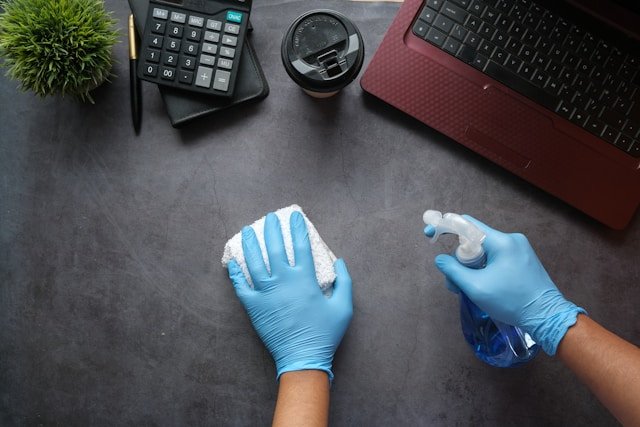
In private schools, high-touch areas are not limited to door handles. They include shared desks, stair railings, restroom fixtures, cafeteria tables, locker handles, library counters, gym equipment, touchscreen kiosks, and administrative offices.
In February, illness transmission often increases because these surfaces were maintained for appearance, not systematically disinfected.
This failure typically happens for three reasons:
First, routine janitorial cleaning focuses on visible debris and floor care, not microbial risk zones.
Second, after winter break, occupancy resumes at full intensity without recalibrating sanitation frequency.
Third, cleaning scopes may not clearly define disinfecting standards versus basic surface cleaning.
The consequence is not always immediate outbreak, but gradual amplification of risk. In a private school, this becomes a reputational issue quickly. Parents expect documented sanitation protocols, not general assurances.
Professionals address this structurally through:
- Dedicated Disinfecting Services
- Clearly defined high-touch surface schedules
- Integrated Janitorial Services tailored to educational occupancy patterns
- Accountability frameworks within School Cleaning Services
It is not about increasing labor blindly. It is about aligning cleaning frequency with exposure density.
Pattern Two: Restrooms Become Compliance Pressure Points
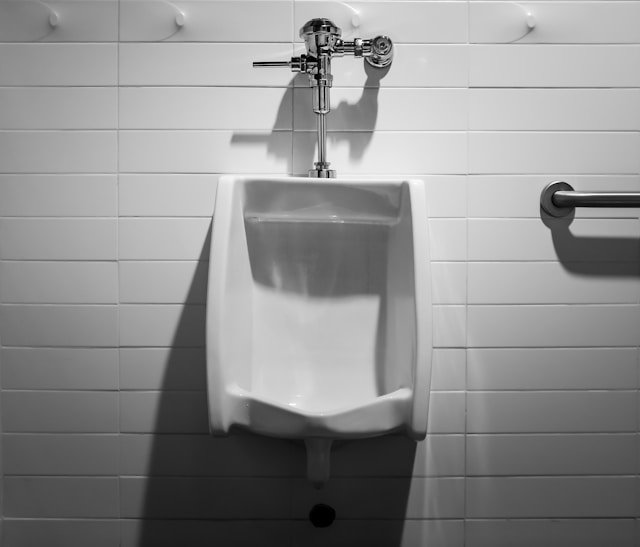
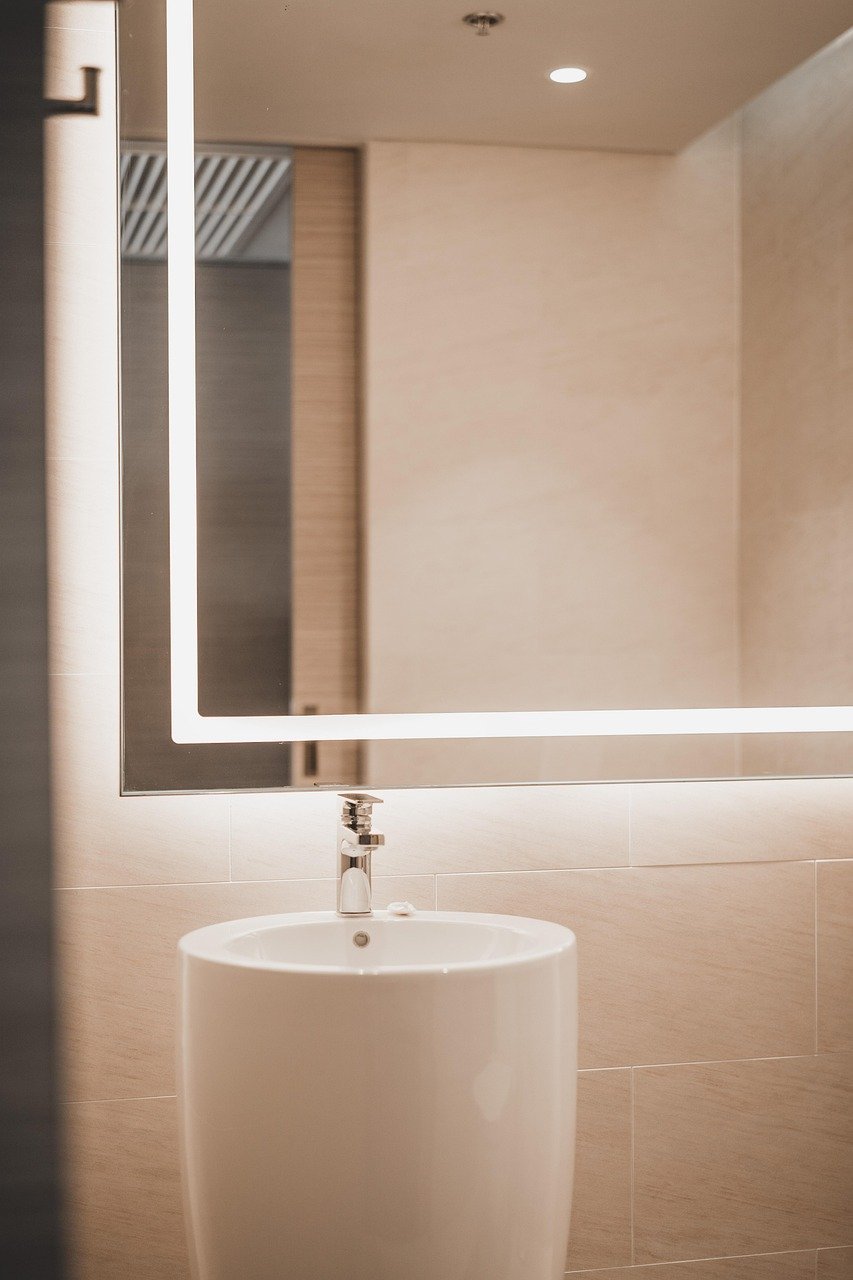
Restrooms in K–12 private schools operate at high frequency during colder months when students spend more time indoors. Moisture, shared use, and ventilation variables compound microbial growth.
February reveals whether restroom cleaning was preventive or reactive.
Common failures include:
- Inconsistent disinfecting of fixtures
- Poor odor control masking deeper sanitation gaps
- Inadequate floor care in high-moisture zones
- Lack of documented cleaning logs
Restrooms are where parents and accreditation bodies often form silent judgments. If visible conditions degrade, confidence declines.
The operational risk extends beyond perception. In California, private educational facilities must maintain sanitary conditions that meet health standards. While inspections may not be constant, documentation matters.
Structural correction involves:
- Comprehensive Commercial Cleaning protocols
- Scheduled Deep Cleaning Services during mid-year windows
- Professional Floor Care Services to address tile, grout, and moisture retention
- Integrated Day Porter Services for high-traffic campuses requiring daytime monitoring
Restroom sanitation is rarely about one missed cleaning. It is about pattern breakdown.
Pattern Three: Floors Show Structural Neglect
In February, hallway floors tell a story.
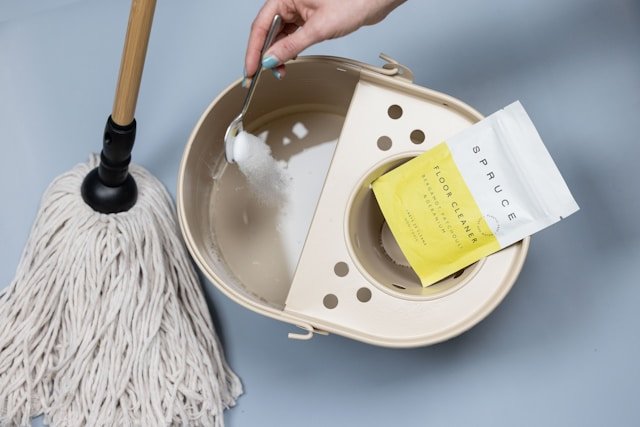
Rainy weather, increased indoor activity, and campus events accelerate wear. Dirt tracked inside becomes abrasive. Protective finishes deteriorate quietly. Slip risks increase when cleaning is rushed or reactive.
In private schools, flooring types vary significantly:
- VCT in hallways
- Carpet in classrooms
- Specialty gym flooring
- Entryway stone or tile
When floor maintenance is limited to basic mopping or vacuuming, degradation accelerates.
This is not cosmetic. It impacts:
- Safety
- Long-term capital costs
- Facility presentation during admissions tours
- Insurance risk
Professional structure requires:
- Routine Floor Care Services
- Periodic refinishing or protective treatments
- Targeted Deep Cleaning Services
- Integration within broader Facility Cleaning Services
A February audit often reveals whether floors were maintained strategically or simply maintained for surface appearance.
Pattern Four: Classrooms Receive Surface Cleaning but Not Environmental Management
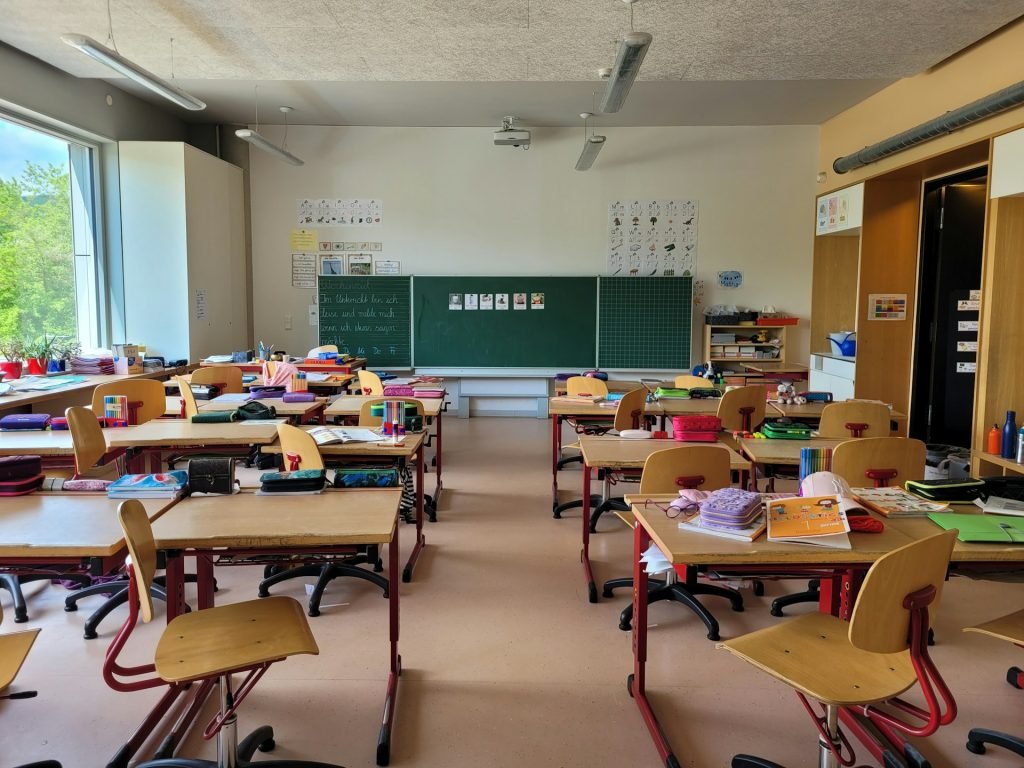
Private school classrooms are dense ecosystems. Students share air, surfaces, and equipment. Teachers bring personal materials. After winter break, environmental control often resets inconsistently.
The common failure is assuming daily trash removal and surface wipe-downs equal environmental sanitation.
What gets missed:
- Vent-adjacent dust accumulation
- Carpeted classroom microbial buildup
- Shared learning materials
- Faculty lounge cross-contact zones
This becomes more significant during flu season, when airborne and contact transmission risks intersect.
Structural response includes:
- Integrated School Cleaning Services
- Scheduled Deep Cleaning Services aligned with academic calendars
- Expanded Disinfecting Services during peak illness cycles
- Consistent oversight through professional Janitorial Services
Cleaning must follow occupancy behavior, not just square footage.
Pattern Five: Administrative Areas Are Treated as Low Risk
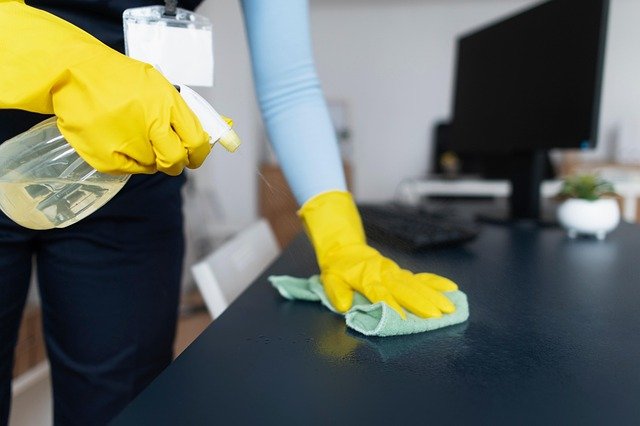
In private K–12 campuses, administrative offices often receive lighter sanitation protocols. The assumption is lower exposure.
In reality, these areas host:
- Parent meetings
- Admissions tours
- Vendor interactions
- Faculty coordination
If sanitation inconsistency reaches these spaces, it directly affects reputation and enrollment confidence.
A structured approach integrates:
- Full Commercial Cleaning
- Executive-area attention within Facility Cleaning Services
- Ongoing support through Day Porter Services when campus traffic increases
Reputation risk often begins in subtle environments, not obvious ones.
Pattern Six: Lack of Documentation Creates Quiet Liability
Perhaps the most overlooked issue is not cleanliness itself, but proof of it.
In February, when absenteeism rises or parents inquire about sanitation policies, administrators must demonstrate:
- Defined cleaning protocols
- Frequency standards
- Scope clarity
- Responsible vendor oversight
Without documentation, schools rely on verbal assurance.
Professional private school cleaning frameworks incorporate:
- Defined service scopes under School Cleaning Services
- Integrated Disinfecting Services
- Scheduled Deep Cleaning Services
- Routine and structured Janitorial Services
- Support through Facility Cleaning Services
- Floor maintenance via Floor Care Services
- Supplemental oversight with Day Porter Services
- Broader environmental support through comprehensive Commercial Cleaning
This is not redundancy. It is layered prevention.
Documentation reduces uncertainty. Uncertainty is what amplifies reputational exposure.
Why February Reveals Weakness
February is not inherently more dangerous. It is simply less forgiving.
Holiday disruption, weather patterns, illness cycles, and full campus occupancy converge. If cleaning systems were loosely structured, February exposes it.
Private schools operate in trust-sensitive environments. Parents evaluate more than curriculum. They assess safety, professionalism, and operational rigor.
Cleaning is not a marketing function. It is an operational safeguard.
When systems are structured properly, February becomes predictable rather than reactive.
Closing Insight
Operational failures in private school cleaning rarely announce themselves dramatically. They accumulate quietly across surfaces, restrooms, floors, classrooms, and administrative areas.
By the time symptoms appear, the root cause is usually structural inconsistency, not one missed task.
Professional cleaning in private K–12 campuses is not about increasing frequency without strategy. It is about aligning services with exposure patterns, documenting standards, and maintaining consistency across the entire facility ecosystem.
That consistency protects health, compliance posture, and institutional reputation over time.
Call to Action
If your private school campus is reviewing sanitation protocols this quarter, a structured evaluation of your current cleaning scope can clarify gaps before they compound.