
Introduction: When Cleaning Becomes a Legal Problem
Most business owners in California understand compliance in terms of taxes, labor law, or permits. Very few associate compliance risks with something as seemingly mundane as cleaning.
That assumption is a mistake.
In California, cleanliness is not merely aesthetic or operational. It is deeply connected to regulatory compliance, workplace safety, public health, and legal liability. Poor commercial cleaning practices can expose businesses to fines, failed inspections, lawsuits, insurance disputes, and reputational damage that far outweigh the cost of professional cleaning services.
For Bay Area businesses operating in offices, retail spaces, medical facilities, restaurants, warehouses, and multi-tenant buildings, cleaning is no longer optional maintenance. It is a compliance requirement that demands structure, documentation, and professional execution.
California’s Regulatory Environment Leaves No Room for Neglect
California has one of the most stringent regulatory frameworks in the United States. Multiple agencies overlap in jurisdiction, and cleanliness sits at the intersection of several of them.
Commercial spaces are routinely evaluated under standards enforced by:
- Cal OSHA
- Local health departments
- Fire marshals
- City and county inspectors
- Commercial landlords and insurance carriers
What many business owners fail to realize is that poor cleaning is often the visible symptom inspectors use to identify deeper compliance failures.
Dust buildup, dirty restrooms, greasy floors, mold traces, or neglected exterior walkways immediately raise red flags. Inspectors interpret these conditions not as isolated issues, but as evidence of weak operational controls.
OSHA and Workplace Cleanliness: A Direct Legal Link
Under Cal OSHA regulations, employers are required to provide a workplace free from recognized hazards. Cleanliness plays a critical role in meeting that obligation.
Poor cleaning contributes directly to:
- Slip and fall hazards
- Poor indoor air quality
- Exposure to biological contaminants
- Unsanitary shared facilities
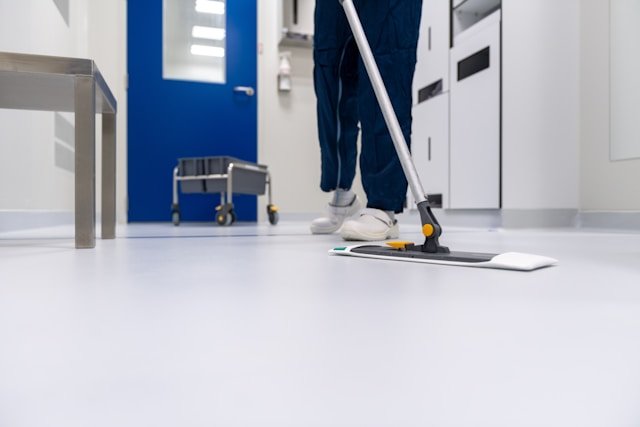
When floors are improperly maintained, when spills are not professionally addressed, or when high-touch areas are inadequately sanitized, businesses expose themselves to citations and penalties.
Even worse, if an employee injury occurs and cleaning records are insufficient or nonexistent, liability increases dramatically.
Slip, Trip, and Fall Incidents: The Most Expensive Cleaning Failure
Slip and fall accidents remain one of the most common workplace injuries in California. They are also among the most expensive.
From a compliance perspective, these incidents trigger:
- OSHA investigations
- Workers’ compensation claims
- Insurance premium increases
- Potential civil litigation
In many cases, the root cause is not structural failure but inadequate floor care, such as residue buildup, worn finishes, moisture accumulation, or poorly cleaned entryways.
Preventive floor cleaning, including stripping, sealing, polishing, and scheduled deep maintenance, is one of the most effective compliance safeguards a business can implement.
Health Department Inspections and Sanitation Failures
For businesses open to the public, especially retail, food service, healthcare, and professional spaces, health department inspections are unavoidable.
Inspectors look beyond surface cleanliness. They assess:
- Restroom sanitation
- Break room hygiene
- Trash handling practices
- Cross-contamination risks
- Odors, residue, and moisture
Inconsistent or amateur cleaning practices often lead to warnings or failed inspections, even when businesses believe they are compliant.
Professional commercial cleaning introduces standardized procedures, proper chemicals, and documented routines that align with inspection expectations.
Mold, Moisture, and Indoor Air Quality Risks
California’s coastal and bay microclimates create ideal conditions for mold and mildew, especially in poorly ventilated commercial spaces.
Bathrooms, kitchens, storage areas, and carpeted offices are particularly vulnerable.
From a compliance standpoint, mold is not just a maintenance issue. It can trigger:
- Employee health complaints
- Workers’ compensation claims
- ADA accommodation issues
- Lease disputes
- Regulatory intervention
Preventive deep cleaning, moisture control, and proper surface treatment significantly reduce these risks while improving indoor air quality.
The Insurance Angle Most Businesses Miss
Insurance carriers increasingly scrutinize cleaning and maintenance practices when underwriting policies or evaluating claims.
After an incident, insurers often ask:
- Were cleaning schedules documented
- Were floors professionally maintained
- Were hazards addressed proactively
Poor cleaning records can lead to denied claims or increased premiums. In extreme cases, coverage can be challenged altogether.

Professional commercial cleaning provides not only results but process, documentation, and accountability, all of which matter when insurance questions arise.
Landlord and Lease Compliance Risks
Many Bay Area businesses operate in leased commercial spaces. Lease agreements frequently include clauses requiring tenants to maintain premises in safe, sanitary condition.
Failure to meet these obligations can result in:
- Lease violations
- Financial penalties
- Forced remediation
- Non-renewal risks
Professional cleaning protects tenants by ensuring spaces remain compliant with lease terms and presentable for inspections or walkthroughs.
Exterior Cleaning and Public Safety Obligations
Compliance risks do not stop at the front door.
Sidewalks, parking areas, loading zones, and entrances are public-facing spaces where businesses owe a duty of care.
Oil stains, algae, gum buildup, and debris increase slip risks and can violate municipal codes.
Scheduled pressure washing is not cosmetic. It is a public safety measure that reduces liability while preserving exterior surfaces.
Documentation Matters More Than Ever
One of the biggest compliance failures businesses make is assuming that cleaning is self-evident.
Inspectors, insurers, and legal counsel rely on documentation, not assumptions.
A professional commercial cleaning provider offers:
- Consistent schedules
- Defined scopes of work
- Accountability and supervision
- Traceable service history
This documentation becomes invaluable during audits, disputes, or claims.
Why Cutting Cleaning Costs Often Backfires
In an effort to reduce expenses, some businesses downgrade cleaning frequency, outsource to untrained vendors, or rely on internal staff.
Short-term savings often lead to long-term exposure.
Compliance failures rarely announce themselves quietly. They arrive through fines, lawsuits, failed inspections, or lost trust.
In California, the cost of being unprepared almost always exceeds the cost of doing things right.
Professional Cleaning as a Compliance Strategy
Smart Bay Area businesses increasingly view commercial cleaning as part of their risk management and compliance strategy.
Professional cleaning supports:
- Workplace safety compliance
- Health and sanitation standards
- Insurance requirements
- Lease obligations
- Brand and reputation protection
It is one of the few operational investments that delivers legal, financial, and reputational returns simultaneously.
The Bottom Line: Clean Spaces Are Safer, Compliant Spaces
Poor cleaning is no longer a minor oversight. In California, it is a compliance risk hiding in plain sight.
Businesses that take a proactive, professional approach to commercial cleaning protect themselves not only from dirt, but from fines, liability, and disruption.
Cleanliness is not about appearances. It is about responsibility.
Call to Action
If your business operates in California, compliance is not optional, and neither is professional cleaning.
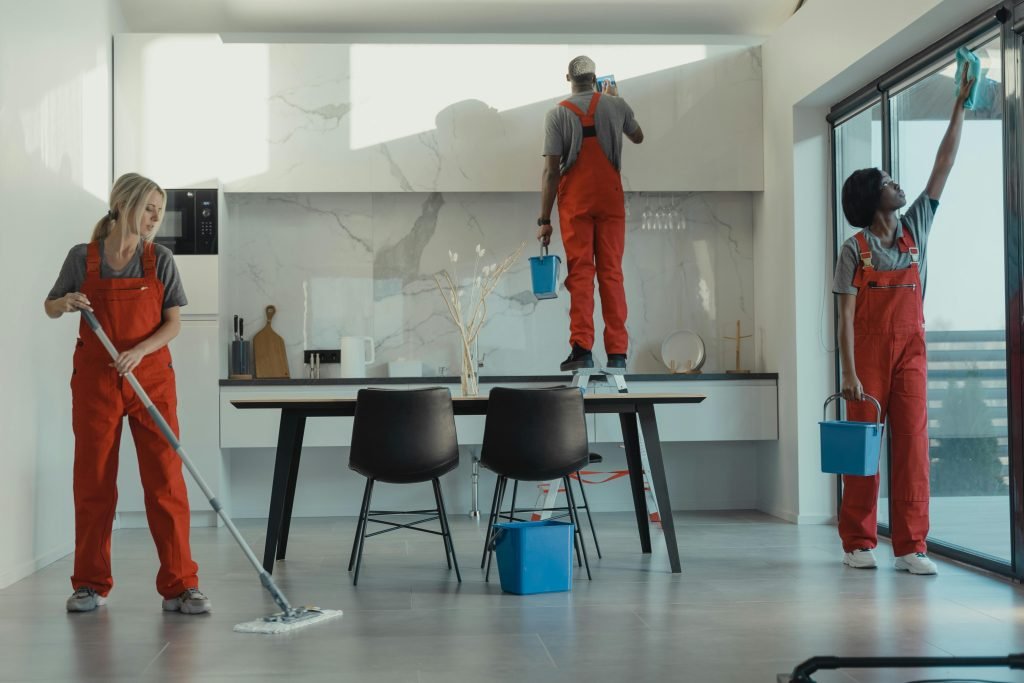
New Revolution Cleaning helps Bay Area businesses reduce compliance risks through reliable, professional commercial cleaning services designed for today’s regulatory environment.
Contact us today to schedule a consultation and ensure your facility is clean, compliant, and protected.