
Introduction
In many small to mid-size restaurants, cleaning decisions are made late at night, at the end of a long shift, when margins, labor hours, and exhaustion collide. The question is rarely framed as a strategic one. It sounds simpler than that. “Do we really need outside cleaning?” or “Is this worth the cost?”
This assumption tends to feel reasonable because cleaning is visible, familiar, and already happening in some form. Floors are mopped. Trash is taken out. Surfaces look acceptable when the doors open the next morning. From the outside, nothing appears broken.
Operationally, however, this is precisely where risk begins to accumulate quietly.
The Cost Comparison That Misses the Point
When restaurant owners compare professional cleaning services to in-house labor, the comparison usually starts and ends with hourly wages. What does a cleaner cost versus what does a staff member already on payroll cost?
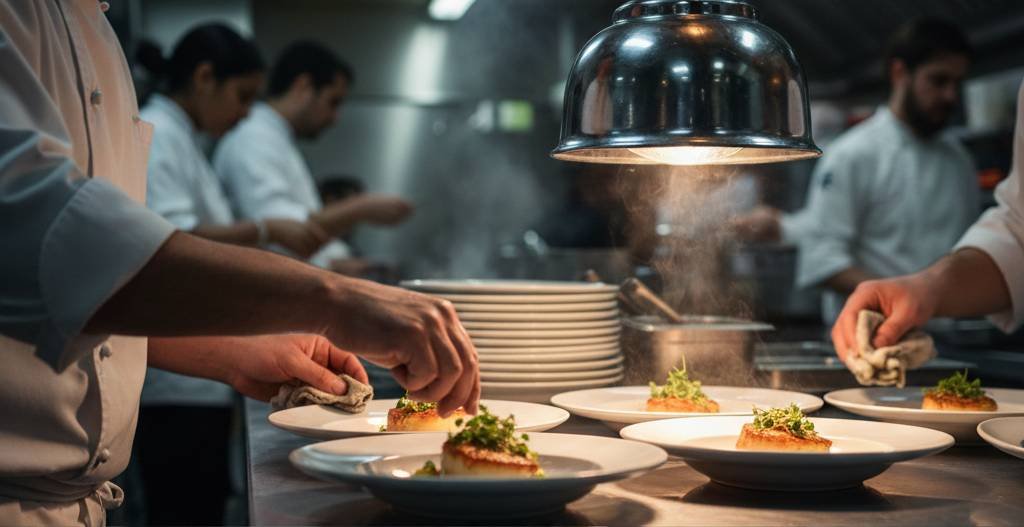
This framing overlooks the fact that cleaning is not a standalone task. It is an operational system with failure modes, dependencies, and compliance implications. In-house cleaning is often performed by staff whose primary responsibility is food preparation or service. Cleaning becomes secondary, compressed into short windows between peak hours or at closing time.
The result is not a lack of effort. It is structural inconsistency. Tasks are skipped not because staff are careless, but because operations demand speed and prioritization elsewhere.
Professionally managed cleaning is not priced against wages. It is priced against risk exposure that does not show up on a daily P&L.
Peak Hours Create Predictable Cleaning Failures
In restaurants under constant service pressure, cleaning follows a predictable pattern. High-visibility areas receive attention. Low-visibility areas are deferred. Over time, the same zones are repeatedly missed.
These zones often include floor drains, baseboards, grease accumulation behind equipment, restroom touchpoints, and prep-area surfaces cleaned too quickly to meet sanitation standards. None of these failures cause immediate shutdowns. That is what makes them dangerous.
Health inspections, staff illnesses, and customer complaints do not emerge from single missed cleanings. They emerge from accumulation. Peak-hour pressure does not create random problems. It creates repeatable blind spots.
Professionally structured cleaning exists specifically to operate outside these pressure windows.
Compliance Risk Is Not Linear
One of the most common operational miscalculations is assuming that passing the last inspection guarantees safety going forward. Compliance does not decay evenly. It degrades unevenly and silently.
A restaurant can pass multiple inspections while still building up conditions that trigger a failed one later. Grease buildup, improper sanitation of high-touch surfaces, and inconsistent restroom hygiene compound gradually.
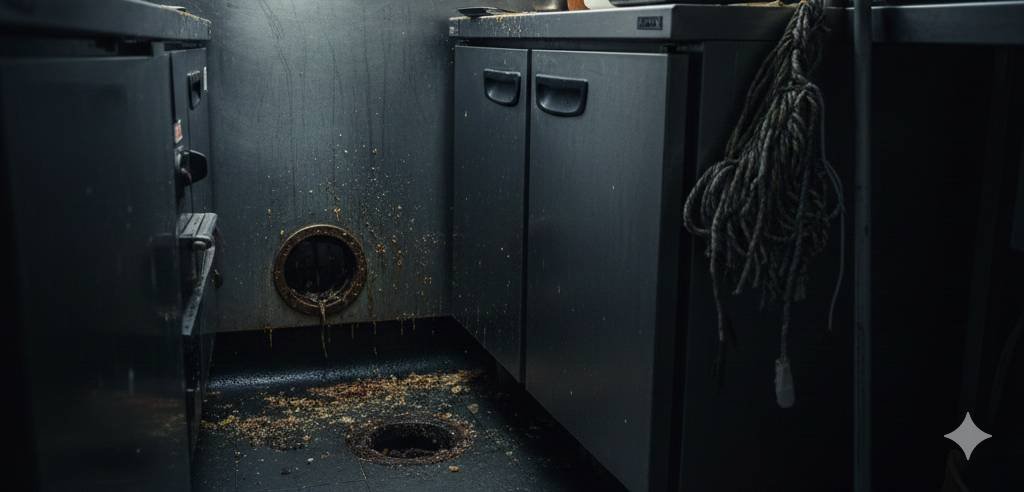
When professional cleaning is removed or minimized for cost reasons, the restaurant is not saving money. It is transferring risk forward in time, often without visibility.
Inspection failures are not only regulatory events. They disrupt operations, consume management attention, and expose the business to reputational damage that is difficult to quantify but very real.
In-House Cleaning Creates Accountability Gaps
Another overlooked factor in cost-based decisions is ownership. When cleaning is assigned internally, responsibility is diffuse. Multiple staff members may assume someone else handled a task. Supervisors focus on service quality, not sanitation verification.
Professional cleaning services introduce clear accountability. Tasks are documented. Scope is defined. Frequency is consistent. This structure reduces dependence on individual memory, motivation, or shift dynamics.
From an operational standpoint, this is not about trust in staff. It is about removing ambiguity from critical hygiene processes.
Equipment and Surfaces Degrade Faster Than Expected
Improper or inconsistent cleaning accelerates wear on floors, fixtures, and equipment. Grease accumulation affects ventilation. Residue damages surfaces. Restroom fixtures fail sooner when not maintained correctly.
These costs do not appear immediately. They surface months later as repairs, replacements, or downtime. When restaurant owners evaluate cleaning purely on short-term expense, they rarely account for long-term asset degradation.
Professional cleaning is a form of preventive maintenance. Its value lies in preserving operational continuity, not cosmetic appearance.
The Illusion of Control
Many owners believe in-house cleaning offers more control. In practice, it often offers less. Control requires systems, not proximity. Without standardized procedures and verification, control becomes an assumption rather than a reality.
Professional services operate with defined scopes, schedules, and expectations. This reduces guesswork and lowers the cognitive load on managers already juggling staffing, inventory, and customer experience.
Peace of mind is not an abstract benefit. It is the reduction of decision fatigue around whether something critical was missed.
Why This Assumption Persists
The belief that professional cleaning is “too expensive” persists because its benefits are mostly invisible when things go well. The absence of incidents is difficult to attribute to preventive action.
But operational history shows that restaurants rarely regret having too much structure around sanitation. They regret the moment they realize a preventable issue has already escalated.
Closing Insight
Cleaning decisions made purely on immediate cost feel rational in isolation. Over time, they quietly reshape a restaurant’s risk profile. Compliance, safety, and reputation are not protected by effort alone. They are protected by systems designed to operate reliably under pressure.
The most expensive assumption is not that professional cleaning costs money. It is assuming that doing without it carries no cost at all.
Call to Action
If you are evaluating whether your current cleaning approach truly supports your operational realities, a structured conversation can help clarify risks before they surface unexpectedly.