
(Bay Area Edition)
Introduction
January has a way of exposing things.
Floors that somehow survived December suddenly look tired. Corners feel darker. Restrooms smell faintly off even after being cleaned. Someone notices sticky residue near a prep sink. No one says much, but everyone feels it.
Then an inspection notice shows up.
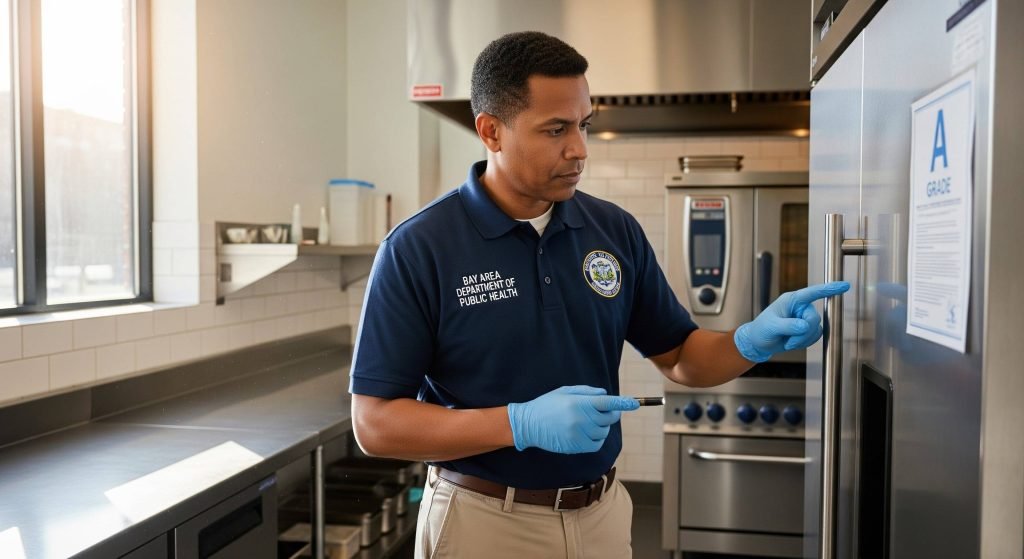
Health inspections rarely fail because a restaurant does not care. They fail because small cleaning gaps accumulate quietly, out of sight, and outside daily routines. Most restaurant teams are focused on food, speed, customers, staffing, and margins. Cleaning happens constantly, but not always systematically.
Health inspectors notice what busy kitchens learn to ignore.
Inspectors Do Not Look for Perfection
They Look for Patterns
One misconception restaurant owners often have is that inspections are about spotless surfaces. They are not.
Inspectors look for patterns that signal whether sanitation is truly under control or just reacting to problems.
A single missed surface does not raise alarms. Repeated inconsistencies do.
They notice whether grease returns quickly, whether restrooms degrade over days, whether corners and floor edges tell a different story than visible areas. These patterns reveal whether cleaning is preventive or merely cosmetic.
Professional cleaning solves this by working outside the rush of service, focusing on consistency rather than appearance alone.
Floors Tell the Truth First
Kitchen and dining area floors are one of the earliest indicators inspectors evaluate, often subconsciously.
Sticky residue, uneven shine, darkened grout lines, and slippery patches near prep zones suggest incomplete degreasing. These conditions usually indicate that cleaning is happening too quickly or without the right equipment.
The problem is not effort, it is physics.
Daily mopping cannot break down built up grease. Over time, residue spreads, creating slip risks and hygiene concerns that inspectors immediately recognize.
Professional floor cleaning uses mechanical agitation and commercial grade degreasers designed to remove what daily routines cannot. It resets the surface instead of masking it.
Restrooms Reveal Operational Discipline
Restrooms are not judged by how they look at opening time. They are judged by how they age.
Inspectors pay close attention to odor persistence, baseboards, fixtures behind toilets, door handles, and floor drains. These areas show whether cleaning is methodical or rushed.
A restroom that smells clean briefly but degrades quickly suggests surface level cleaning only. Inspectors know the difference.
Professional teams clean restrooms with a sequence that addresses bacteria reservoirs first, not last. This approach extends cleanliness throughout operating hours, not just for inspection moments.
High Touch Surfaces Matter More Than Shiny Ones
Door handles, light switches, POS touchscreens, railings, refrigerator handles, and restroom fixtures carry more risk than visible surfaces.
Inspectors focus heavily on these points because they represent cross contamination risk. A kitchen can look immaculate while still failing here.
Busy staff clean what they see. Inspectors evaluate what everyone touches.
Professional cleaning protocols prioritize high contact surfaces systematically, not occasionally. This reduces inspection risk and lowers illness transmission without adding burden to staff.
Storage Areas Are Quiet Inspection Traps
Dry storage, walk ins, and back of house shelving rarely receive daily attention, yet inspectors always look there.
Dust buildup, spills under shelving, condensation residue, and poorly cleaned cooler floors are common violations. These areas reveal whether cleaning coverage is complete or selective.
The issue is not neglect, it is prioritization. These spaces feel less urgent until inspection day arrives.
Professional cleaning schedules include low visibility zones intentionally, ensuring compliance is built in rather than rushed.
Grease Is Not Just a Fire Risk
It Is a Compliance Signal
Grease accumulation near cooking equipment, vents, and walls raises immediate concerns during inspections.
It suggests improper degreasing frequency and inadequate equipment access. Even when kitchens appear clean, inspectors notice discoloration, film buildup, and residue along edges and vertical surfaces.
Grease indicates time pressure. Inspectors know it.
Professional cleaning reaches behind and beneath equipment, areas staff cannot reasonably access during service. This is where compliance issues quietly develop.
Cleaning Frequency Is Where Most Objections Start
And Where Inspections End Them
Many restaurant operators hesitate around cleaning frequency. Weekly feels excessive. Monthly feels sufficient.
Inspectors do not think in those terms.
They evaluate whether conditions remain stable over time. If cleanliness degrades before the next scheduled cleaning, frequency is insufficient, regardless of intent.
Professional assessments adjust frequency based on traffic, cooking style, layout, and inspection risk, not generic schedules. This prevents overpaying while maintaining compliance.
Why Inspections Fail Without Warning
Most failed inspections are not surprises to inspectors. They are predictable outcomes of gradual drift.
Small compromises accumulate. Shortcuts become habits. Cleaning shifts from preventative to reactive.
Professional cleaning restores structure. It removes guesswork and resets standards so daily routines support compliance instead of fighting it.
Closing Insight
Health inspections do not punish restaurants for being busy. They reveal whether systems support that busyness or work against it.
Cleaning problems rarely announce themselves loudly. They compound quietly until an inspection makes them visible.
The difference between passing and scrambling is rarely effort. It is structure.
Call to Action
If you would like an honest assessment of whether your current cleaning approach supports long term compliance, we are happy to help.