
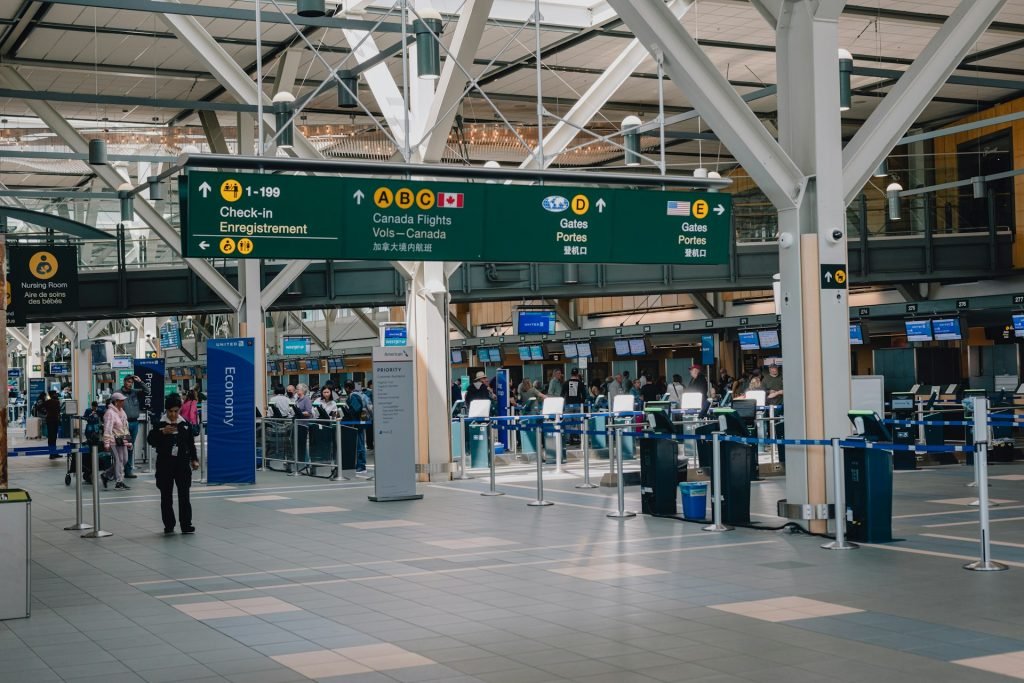
In major transportation hubs like San Francisco International Airport (SFO), Oakland International Airport (OAK), and San José Mineta International Airport (SJC), cleanliness is not a background function. It is part of the passenger experience.
While travelers notice architecture, signage, and efficiency, one space consistently defines their perception of the facility: the restroom.
Airport restrooms operate under extreme conditions. High traffic, constant use, and minimal downtime create a unique operational challenge. For facility managers across the Bay Area, maintaining restroom cleanliness is not just about hygiene. It is about reputation, compliance, and passenger trust.
Why Restrooms Are the Most Critical Touchpoint in Airports
Passengers interact with many areas inside a terminal, but restrooms carry a unique psychological weight. A poorly maintained restroom can overshadow an otherwise smooth travel experience.
Immediate Perception of Cleanliness
Travelers often use restrooms shortly after arriving at the airport. Within minutes, they form an impression that influences how they perceive the entire facility.
If restrooms are:
- wet or slippery
- poorly stocked
- visibly dirty
passengers quickly assume the airport lacks proper maintenance standards.
Hygiene Expectations in a Post-Pandemic World
In the Bay Area, where health awareness is particularly high, expectations for cleanliness have increased significantly.
Passengers now expect:
- visibly sanitized surfaces
- clean and dry floors
- fully stocked hygiene supplies
Restroom conditions are often interpreted as a reflection of overall sanitation practices.
Impact on Airport Reputation
Airports like SFO are recognized globally. Cleanliness is part of their brand.
Negative restroom experiences frequently appear in:
- online reviews
- social media posts
- travel feedback platforms
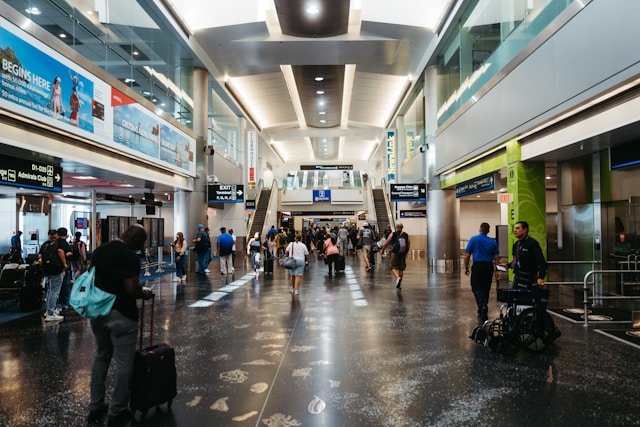
This creates reputational risk not only for the airport authority but also for airlines and tenant businesses operating within the terminal.
The Operational Reality of Airport Restrooms
Airport restrooms are among the most heavily used facilities in any commercial environment.
Extreme Usage Volume
During peak hours, a single restroom can serve hundreds of passengers per hour. This level of usage leads to rapid deterioration.
Common issues include:
- wet floors from sink and handwashing areas
- paper waste accumulation
- soap and sanitizer depletion
- odor buildup
Without continuous monitoring, conditions can decline within minutes.
Limited Downtime for Deep Cleaning
Unlike office buildings, airport restrooms cannot easily be closed for extended cleaning.
Cleaning teams must operate while maintaining accessibility for passengers. This requires a balance between efficiency and discretion.
Constant Exposure to External Contaminants
Passengers arrive from multiple environments, bringing dirt, moisture, and bacteria into restroom spaces.
This increases the need for:
- frequent disinfection
- floor maintenance
- detailed surface cleaning
Why Day Porter Services Are Essential for Restroom Maintenance
Traditional janitorial cleaning schedules cannot keep up with the real-time demands of airport restrooms.
This is where day porter services become critical.
Continuous Monitoring
Day porters provide ongoing presence in the terminal, allowing them to monitor restroom conditions throughout the day.
They identify issues before they escalate, ensuring that restrooms remain functional and presentable.
Immediate Response to Issues
Instead of waiting for scheduled cleaning cycles, day porters respond immediately to:
- spills
- supply shortages
- visible contamination
This reduces downtime and prevents negative passenger experiences.
Maintaining Hygiene Standards
Regular touchpoint cleaning helps maintain sanitation levels between deep cleaning cycles.
High-contact surfaces such as:
- door handles
- faucets
- dispensers
require frequent attention to meet hygiene expectations.
The Role of Deep Cleaning in Airport Restrooms
While day porter services handle real-time maintenance, specialized deep cleaning ensures long-term sanitation and structural integrity.
Removing Hidden Contaminants
Over time, bacteria and grime accumulate in areas that are not addressed during routine cleaning.
Deep cleaning targets:
- grout lines
- behind fixtures
- under sinks
- ventilation areas
This prevents long-term hygiene issues.
Odor Control and Air Quality
Persistent odors are often a sign of deeper sanitation problems.
Professional deep cleaning eliminates odor sources rather than masking them, contributing to a more pleasant environment.
Tile and Grout Cleaning in High-Traffic Restrooms
Airport restrooms typically use tile surfaces for durability. However, grout lines are highly porous and prone to staining and contamination.
Why Grout Becomes a Problem
With continuous exposure to moisture and foot traffic, grout can:
- trap bacteria
- discolor quickly
- retain unpleasant odors
The Importance of Professional Treatment
Detailed tile and grout cleaning restores the appearance of restroom surfaces while improving hygiene.
This service is particularly important in high-visibility facilities such as SFO, where presentation standards are elevated.
Floor Safety and Advanced Treatment
Slippery floors are one of the most significant risks in airport restrooms.
Slip and Fall Prevention
Water accumulation near sinks and entrances creates hazardous conditions.
Advanced floor treatment helps:
- improve traction
- reduce water absorption
- maintain surface integrity
Long-Term Floor Protection
Frequent cleaning combined with protective treatments extends the lifespan of restroom flooring.
This reduces long-term maintenance costs and prevents premature deterioration.
Supporting Compliance and Operational Standards
Airports in the Bay Area operate under strict regulatory and operational guidelines.
Restroom cleanliness plays a role in:
- health and safety compliance
- internal quality inspections
- airline and tenant satisfaction
Failure to maintain proper standards can lead to:
- complaints
- operational disruptions
- reputational damage
A structured cleaning approach helps facility managers stay ahead of these risks.
Customized Cleaning Plans for Bay Area Airports
Each airport in the Bay Area has unique traffic patterns and operational demands.
For example:
- SFO handles high international traffic
- OAK serves a mix of domestic and low-cost carriers
- SJC focuses on business travel and tech industry passengers
A customized cleaning plan ensures that restroom maintenance aligns with these patterns.
This includes:
- adjusting staffing levels during peak hours
- prioritizing high-traffic restrooms
- scheduling deep cleaning during low-traffic windows
Clean Restrooms, Stronger Passenger Confidence
In a region known for innovation and high standards, passengers expect more from public infrastructure.
Clean restrooms signal:
- attention to detail
- operational excellence
- commitment to passenger well-being
For airport authorities, this translates into stronger passenger confidence and improved overall perception.

Conclusion
Airport restroom cleaning in the Bay Area is not a routine task. It is a critical component of facility management that directly impacts safety, hygiene, and passenger experience.
With constant usage and minimal downtime, restrooms require a combination of:
- continuous day porter support
- specialized deep cleaning
- tile and grout maintenance
- advanced floor treatment
This integrated approach ensures that restrooms remain clean, safe, and aligned with the high standards expected at airports like SFO, OAK, and SJC.
Call to Action
Maintaining airport restroom cleanliness requires precision, consistency, and a proactive approach.
New Revolution Cleaning provides day porter services, deep cleaning, tile and grout restoration, and advanced floor treatment tailored for high-traffic facilities across the Bay Area.
If your airport or transportation facility needs a reliable cleaning partner, contact us today to design a customized cleaning plan.