
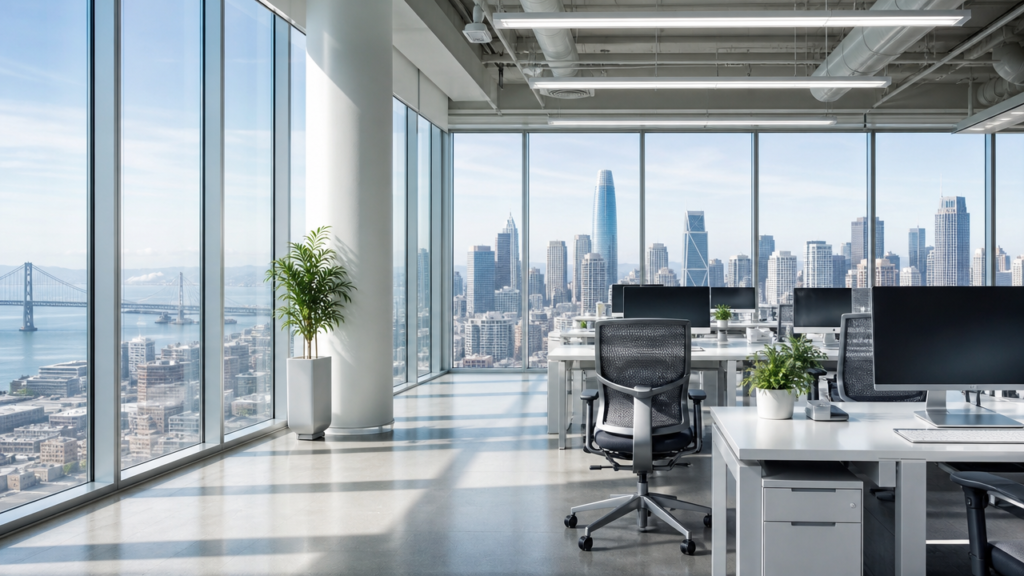
By mid-July, enclosed corporate offices across the Bay Area enter a predictable environmental shift. To maintain climate control, facility managers keep windows sealed and HVAC systems running continuously. Over weeks of continuous operation, the air begins to feel heavy. Employees quietly report an increase in seasonal allergies, minor headaches, or general fatigue. This scenario is rarely the result of a sudden mechanical failure. Instead, it represents the cumulative effect of mid-year particulate accumulation. When indoor air quality degrades, it directly impacts employee comfort, daily productivity, and the perceived success of workplace wellness initiatives. Understanding the mechanics of this silent degradation is essential for facility directors preparing for the autumn operational cycle.
The Mechanics of Mid-Year Particulate Accumulation
Commercial HVAC systems regulate temperature, but they are not absolute filtration barriers. Throughout the first half of the year, microscopic particulates enter the workspace. This includes outdoor pollutants like pollen and vehicle exhaust, alongside indoor contributors like skin cells and textile fibers.
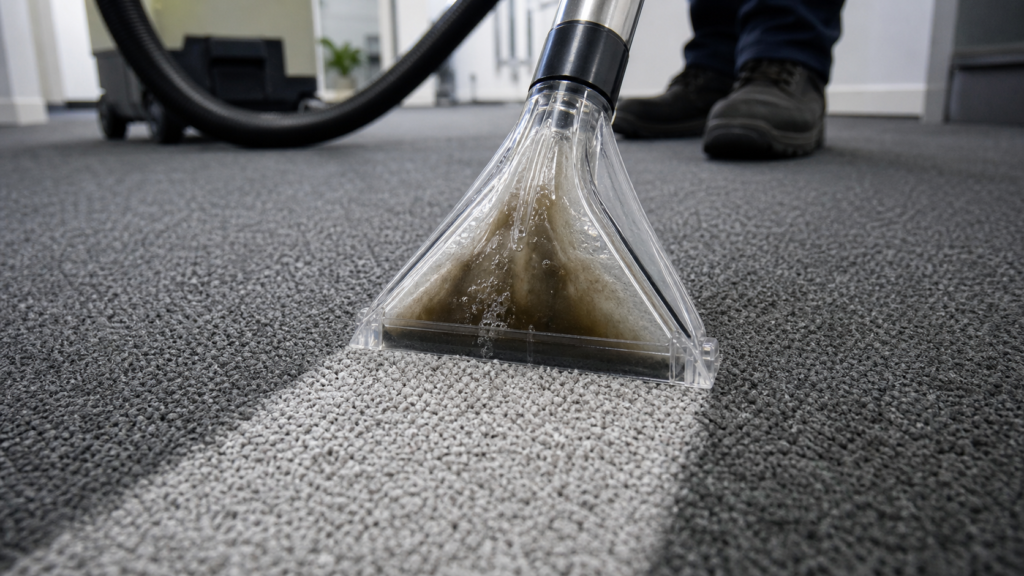
In an enclosed environment, these particles settle into the most porous elements of the office. Commercial carpeting, upholstered conference chairs, and fabric acoustic panels act as massive filters. They trap particulates deep within their fibers. Standard daily janitorial protocols, relying on upright vacuuming, only remove surface-level debris. They lack the mechanical agitation required to extract deeply embedded allergens.
This accumulation matters because the HVAC system continually agitates these trapped particles. Every time the system cycles, a fraction of this settled dust reintroduces into the breathing zone. Over six months, the concentration of irritants reaches a threshold where sensitive individuals experience noticeable physical symptoms. The workspace has not become visibly dirty, but its environmental quality has fundamentally shifted.
The Operational Cost of Degraded Indoor Air Quality
Facility directors often view cleaning strictly through the lens of visible aesthetics. If the floors look polished and the trash bins are empty, the environment is deemed acceptable. However, degraded indoor air quality introduces hidden operational costs.
When employees experience discomfort due to poor air quality, the immediate result is an increase in minor health complaints. This manifests as higher rates of short-term absenteeism, more frequent breaks, and a noticeable decline in cognitive focus. In the current corporate landscape, where organizations actively encourage return-to-office mandates, the physical environment is a critical factor in employee retention. A workspace that triggers allergies sends a subtle message that employee well-being is not a priority.
Furthermore, prolonged exposure to accumulated dust accelerates wear on the HVAC system itself. As filters become clogged with fine particulates, the system works harder to maintain airflow, leading to increased energy consumption. Addressing indoor air quality is a strategic component of workforce preservation and capital asset management.
Structuring the Mid-Year Deep Cleaning Reset
A common misconception is that increasing the frequency of standard janitorial visits will resolve indoor air quality issues. This approach is structurally flawed. Standard janitorial teams maintain visible cleanliness. They are not equipped with the specialized machinery or time allocation required for deep extraction cleaning.
To effectively address mid-year particulate accumulation, facility managers must transition to a scheduled, preventive reset. This involves integrating specialized deep cleaning and carpet extraction into the annual maintenance calendar, typically timed for late July.
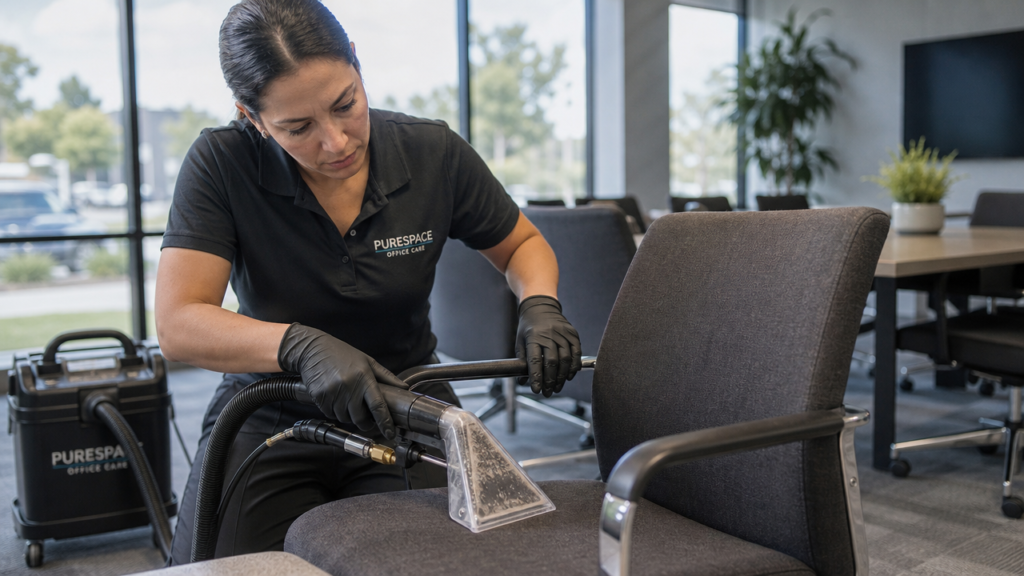
Professionals execute this reset through a highly structured process. The cleaning is scheduled during low-occupancy windows, such as weekends, to ensure zero disruption. The execution relies on commercial-grade hot water extraction equipment. This technology injects a precise, low-moisture cleaning solution deep into the fibers, breaking the bond between the particulate and the material. Simultaneously, powerful vacuum suction immediately extracts the solution along with suspended allergens.
Crucially, professional teams utilize EPA-registered, low-VOC cleaning agents. This ensures the process does not introduce harsh chemical fumes into the enclosed environment. Upon completion, the facility is left with a neutral, fresh baseline. The HVAC system can then circulate clean air effectively, and porous materials are restored to their original state.
Final Operational Perspective
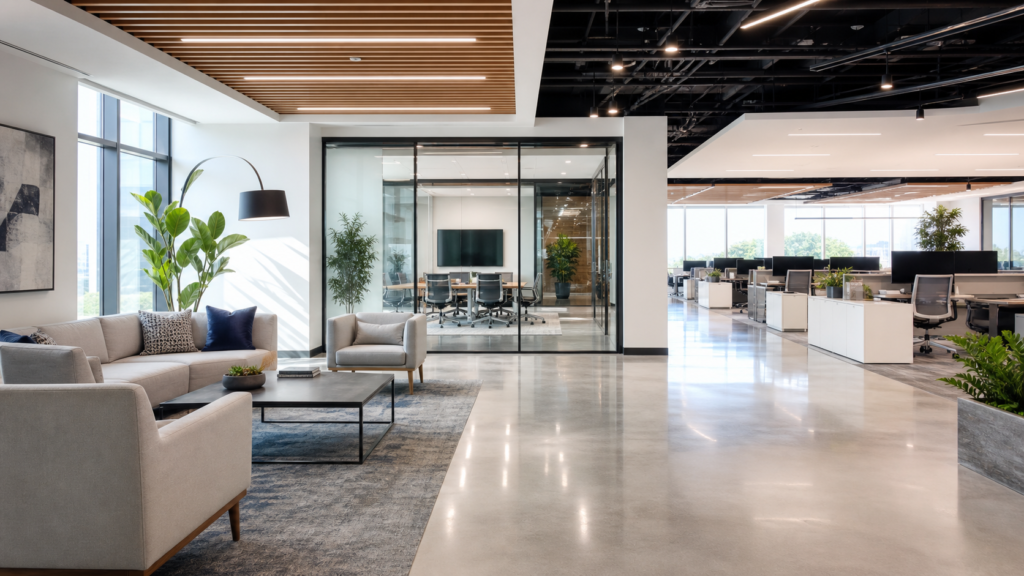
Operational challenges in facility management accumulate quietly within carpet fibers and HVAC systems. A neglected indoor environment in July inevitably translates to employee dissatisfaction and productivity friction by September. Recognizing that standard daily cleaning has inherent limitations is the first step toward true environmental management.
If your facility is approaching the late-summer transition and you want to ensure your indoor environmental protocols are prepared, we invite you to review your current maintenance plan with our team.