
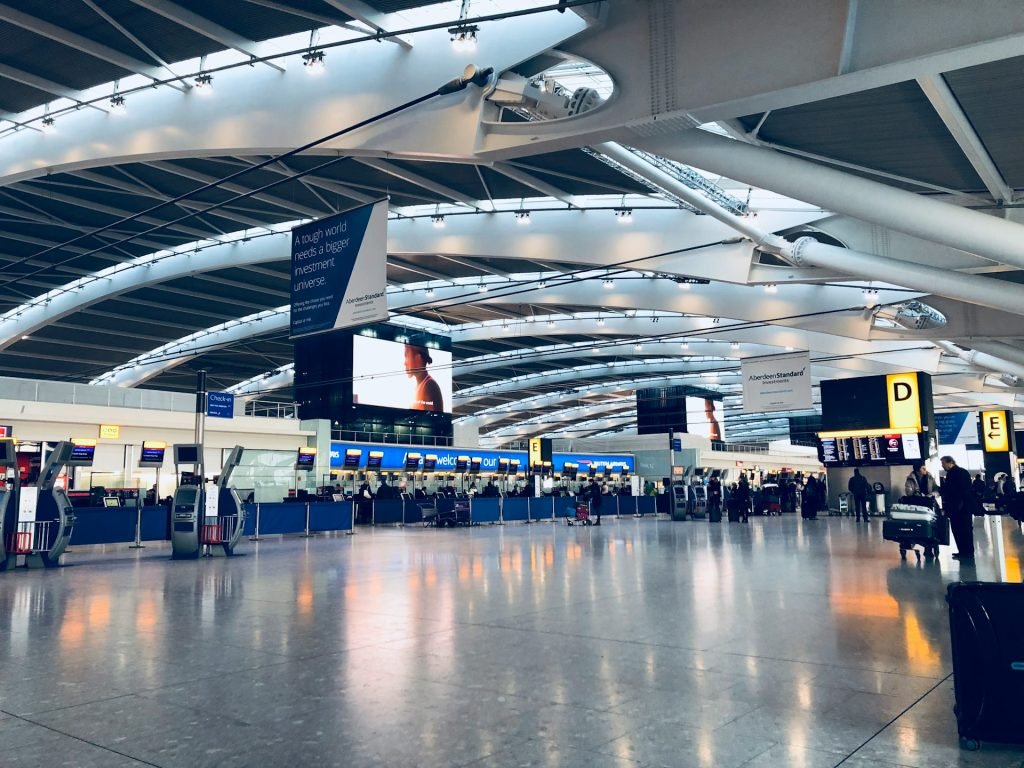
In high-traffic environments like San Francisco International Airport (SFO), Oakland International Airport (OAK), and San José Mineta International Airport (SJC), floor safety is not a minor operational detail. It is a critical component of risk management.
Every day, thousands of passengers move through terminals carrying luggage, food, beverages, and personal items. With this constant flow comes an unavoidable reality: floors are under continuous stress.
Without proper maintenance, airport flooring can quickly become unsafe, leading to slip hazards, liability exposure, and negative passenger experiences.
Why Airport Floors Are Uniquely Vulnerable
Airport terminals are not typical commercial spaces. Their flooring systems face a combination of stress factors that accelerate wear and increase safety risks.
Constant Foot Traffic
Few environments experience the volume of foot traffic seen in airports. Travelers move quickly, often distracted, pulling luggage across large distances.
This creates:
- accelerated surface wear
- accumulation of dirt and debris
- uneven traction across walking areas
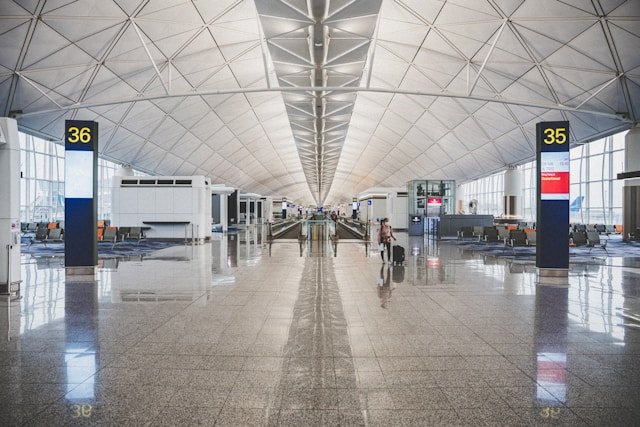
Over time, even durable flooring materials lose their effectiveness if not properly maintained.
Exposure to Liquids and Moisture
Spills are unavoidable in airports. Coffee, soft drinks, water, and cleaning residues all contribute to slippery conditions.
In addition, weather plays a role. In the Bay Area, rain and moisture tracked in from outside can spread quickly across terminal floors.
Without immediate response, these conditions create dangerous walking surfaces.
Luggage and Equipment Impact
Rolling suitcases, carts, and maintenance equipment continuously move across the same surfaces. This mechanical stress contributes to:
- surface degradation
- loss of protective coatings
- reduced slip resistance
The Real Risk: Slips, Falls, and Liability
Slip and fall incidents are among the most common safety risks in large facilities.
Passenger Safety Concerns
Airports serve people of all ages and physical conditions. A slippery floor can lead to injuries that range from minor to severe.
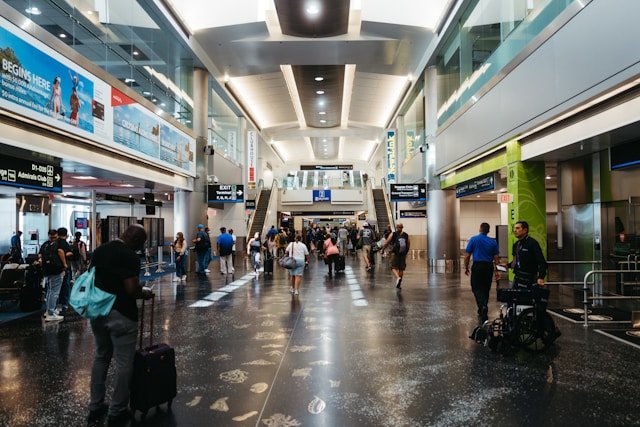
These incidents affect:
- passengers
- airport staff
- airline personnel
Legal and Financial Exposure
Slip-related accidents can result in:
- liability claims
- insurance costs
- operational investigations
For airport authorities, these risks are not theoretical. They are part of daily operational responsibility.
Operational Disruption
When an incident occurs, it often leads to:
- restricted access to affected areas
- emergency response involvement
- delays in passenger movement
Maintaining safe floors is essential for smooth operations.
Why Routine Cleaning Alone Is Not Enough
Many facilities rely on standard janitorial cleaning to maintain floors. In airports, this approach falls short.
Cleaning Without Protection
Basic cleaning removes surface dirt but does not address deeper issues such as:
- worn finishes
- reduced traction
- structural surface damage
Delayed Response to Hazards
Without continuous monitoring, spills and debris can remain on floors long enough to create risks.
This is why airports require a more advanced and proactive approach.
The Role of On-Demand Day Porter Services
On-Demand Day Porter Services play a critical role in maintaining safe floors throughout the day.
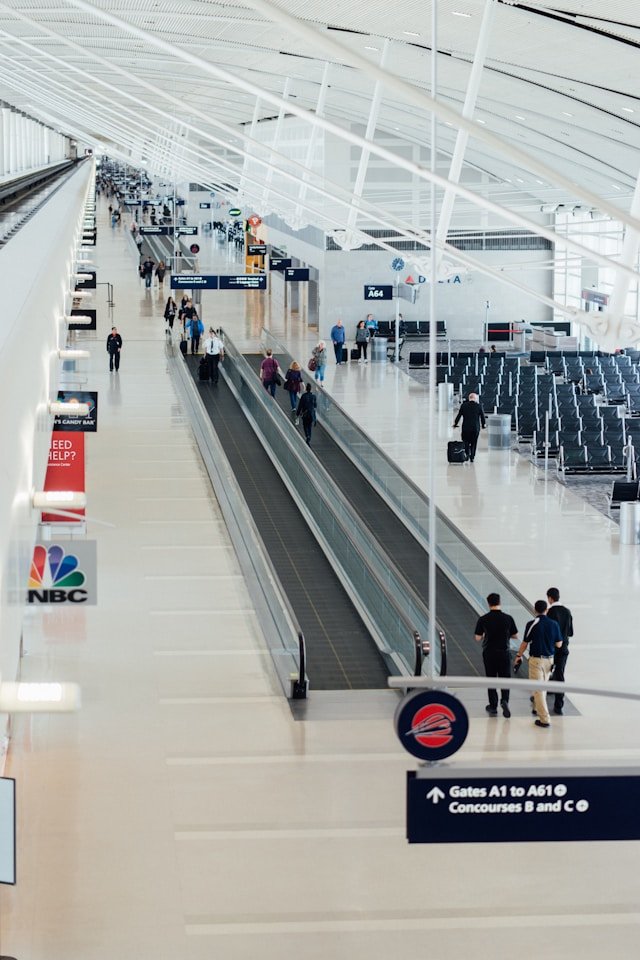
Immediate Spill Response
Day porters monitor high-traffic areas and respond quickly to spills and hazards.
This reduces the time between incident and resolution, minimizing risk.
Continuous Floor Monitoring
Instead of relying on scheduled cleaning, day porters provide real-time oversight of floor conditions.
They identify:
- wet areas
- debris accumulation
- early signs of wear
Maintaining High-Visibility Areas
Entrances, security checkpoints, and boarding gates require constant attention. These areas are where slip hazards are most likely to occur.
Advanced Floor Treatment: A Strategic Solution
To truly address slip hazards, airports must go beyond cleaning and invest in Advanced Floor Treatment.
Restoring Surface Integrity
Over time, flooring surfaces lose their protective layers. Advanced treatment restores these surfaces, improving both appearance and functionality.
Improving Slip Resistance
Specialized treatments enhance traction, making floors safer even in high-moisture conditions.
This is particularly important in areas near:
- entrances
- restrooms
- food service zones
Extending Floor Lifespan
Flooring systems represent a significant investment. Proper treatment reduces long-term wear and delays costly replacements.
High-Level Dusting and Its Indirect Impact on Floors
While often overlooked, High-Level Dusting Solutions contribute to floor safety.
Dust and debris from elevated surfaces eventually settle on the ground. This can create fine layers of particles that reduce traction.
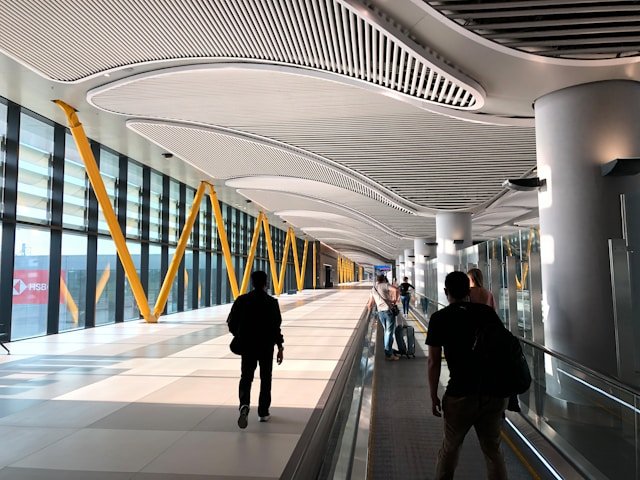
Removing dust at the source helps maintain cleaner and safer floors over time.
The Importance of Window Cleaning in Floor Safety
Pristine Window Cleaning may seem unrelated to floor safety, but it plays a role in maintaining visibility.
Natural light is essential in large terminals. Clean windows improve lighting conditions, helping passengers better see potential hazards on the floor.
This subtle factor contributes to overall safety.
Customized Cleaning Plans for Airport Floor Management
Each airport in the Bay Area has unique traffic patterns and structural layouts.
A Customized Cleaning Plan allows facility managers to:
- allocate resources based on peak traffic times
- prioritize high-risk zones
- integrate day porter services with scheduled maintenance
This approach ensures that floor safety is maintained consistently across the entire facility.
A Safer Terminal Is a Better Passenger Experience
Passengers may not consciously analyze floor conditions, but they immediately notice when something feels unsafe.
Clean, dry, well-maintained floors create:
- a sense of order
- confidence in the facility
- a smoother travel experience
For airports, this translates into better reviews, fewer complaints, and stronger relationships with airlines and tenants.
Conclusion
Floor safety in airport terminals is not a secondary concern. It is a core operational priority.
With constant foot traffic, exposure to moisture, and continuous wear, airport floors require a combination of:
- On-Demand Day Porter Services for real-time response
- Advanced Floor Treatment for long-term protection
- High-Level Dusting Solutions to reduce debris
- Pristine Window Cleaning to support visibility
- Customized Cleaning Plans to align with operational demands
This integrated strategy helps Bay Area airports maintain safe, efficient, and professional environments.
Call to Action
If your airport facility is dealing with high traffic, frequent spills, and increasing floor maintenance challenges, a proactive approach is essential.
New Revolution Cleaning provides Advanced Floor Treatment, On-Demand Day Porter Services, and Customized Cleaning Plans designed for high-traffic environments like airports.
Contact us today to build a safer, more resilient cleaning strategy for your facility.