
Introduction
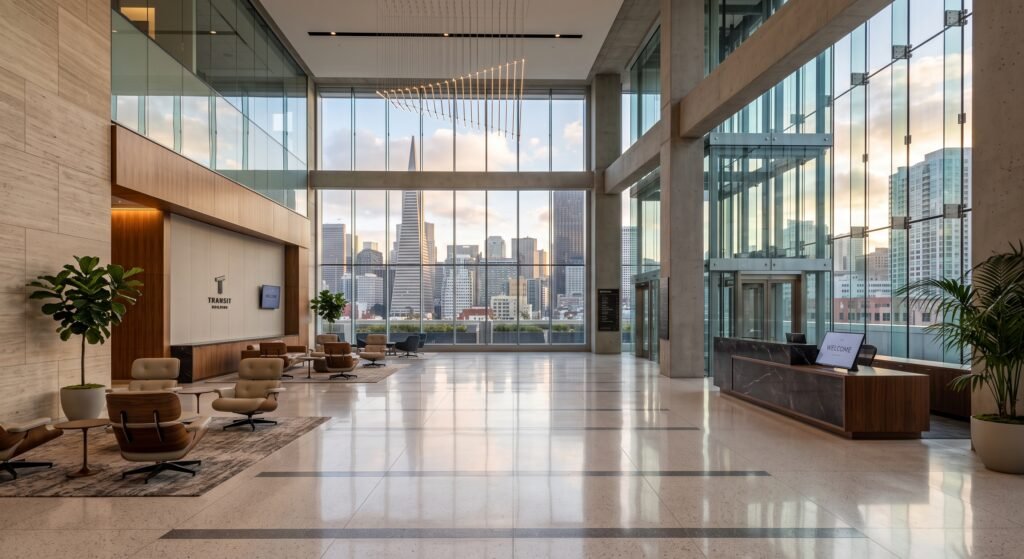
A facility manager walks through a mid-size corporate office in San Francisco at 6:00 PM. The lobby floors appear swept, the trash receptacles are empty, and the restrooms are fully stocked. The day porter has executed their daily checklist flawlessly. The space looks clean. Yet, eighteen months later, the same facility manager is reviewing an unexpected capital expenditure request. The lobby tile requires premature stripping and refinishing due to micro-scratching, and the HVAC system is underperforming due to clogged filters. The daily routine was followed perfectly, but the physical asset is silently degrading.
This disconnect is a common operational reality in Bay Area commercial buildings. Daily cleaning routines are highly effective at maintaining surface appearance and addressing immediate spills. However, they are fundamentally unequipped to prevent the structural degradation of a facility. Understanding this blind spot is the first step toward protecting your real estate investment and ensuring long-term operational continuity.
The Illusion of the Daily Reset
The primary function of a day porter is operational continuity during active business hours. Their scope of work prioritizes high-visibility areas and immediate hazard mitigation. This includes emptying waste bins, spot-cleaning spills, and wiping down high-touch surfaces in common areas.
This model fails as a comprehensive preservation strategy due to inherent time and scope constraints. A day porter operating on a tight schedule cannot perform the mechanical agitation or chemical dwell time required to extract embedded contaminants. They manage the appearance of the facility, not the structural integrity of its surfaces. When facility managers rely exclusively on daily routines for long-term maintenance, they inadvertently allow micro-damage to accumulate. Over time, this silent degradation translates into accelerated asset depreciation and avoidable capital expenditures.
The High-Level Dust Accumulation Vector
In multi-story commercial office buildings, a significant volume of particulate matter settles above standard eye level. Ceiling tiles, upper shelving, light fixtures, and the tops of cabinetry act as reservoirs for fine dust, pollen, and urban micro-particulates.
Standard daily cleaning protocols rarely address areas above six feet. This omission occurs for valid operational reasons. Daily ladder use introduces safety liabilities and consumes time that porters do not have. Consequently, this high-level dust remains undisturbed for months.
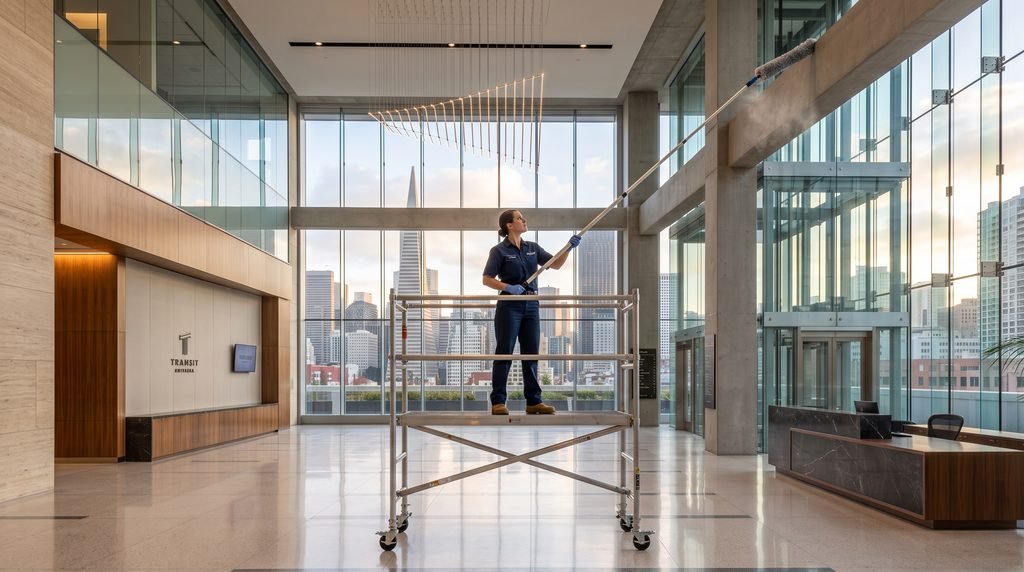
The operational risk extends far beyond aesthetics. Commercial HVAC systems constantly recirculate ambient air. As air moves through the space, it dislodges this settled particulate matter, pulling it into return air vents. This directly degrades indoor air quality and forces HVAC filters to reach capacity much faster than projected. The result is increased energy consumption, more frequent filter replacement costs, and potential discomfort for building occupants. Professionals address this vector through scheduled High-Level Dusting Solutions. Utilizing specialized, extended-reach equipment during off-hours, trained teams remove this reservoir of contaminants without disrupting daily office operations or introducing safety hazards.
Embedded Grime and the Floor Treatment Deficit
Foot traffic in Bay Area corporate hubs introduces a steady stream of micro-abrasives into the building. Urban grit, fine sand, and environmental debris are tracked across entryways and throughout hallways.
A common failure mode in routine cleaning is the reliance on standard daily mopping to manage this grit. Traditional mopping often lacks the mechanical agitation necessary to lift embedded particles. Instead of extracting the debris, the mop frequently pushes it across the floor surface. Furthermore, standard daily cleaning solutions are designed for quick evaporation and do not possess the chemical dwell time required to break down stubborn, ground-in soils.
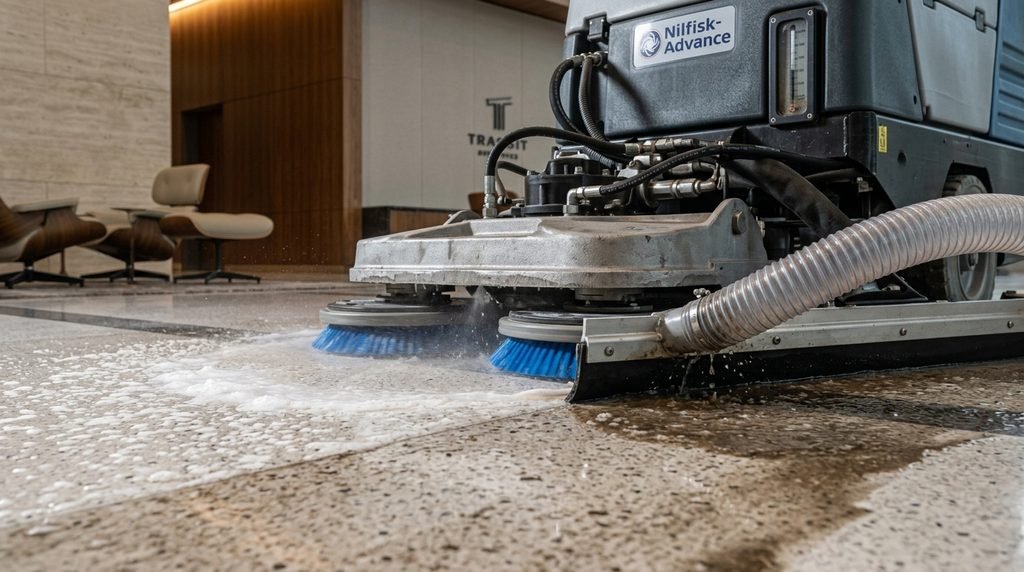
The consequence is a thin, abrasive film that remains on the floor finish. Every footstep grinds this film into the protective coating, causing micro-scratches that dull the floor and compromise its seal. Facility managers often mistake this dullness for normal wear and tear, not realizing it is a direct result of inadequate extraction. The professional solution requires periodic Advanced Floor Treatment and Specialized Deep Cleaning. These interventions utilize auto-scrubbers, specialized extraction tools, and pH-balanced chemicals designed to lift and remove embedded grime, thereby preserving the floor finish and extending the time between major strip-and-wax cycles.
Structuring a Complementary Cleaning Ecosystem
Recognizing the limitations of daily cleaning does not mean eliminating the day porter. On the contrary, day porters are vital for maintaining a professional, welcoming environment and addressing immediate operational needs. The solution lies in structuring a complementary cleaning ecosystem.
Facility management requires a layered approach. The foundation is the daily maintenance routine, which handles appearance and immediate hygiene. Built upon this foundation are periodic, specialized interventions designed for structural preservation.
This layered model might look like the following operational rhythm:
- Daily: High-touch surface disinfection, waste removal, and spot cleaning by day porters.
- Monthly: Targeted deep cleaning of entryway mats and high-traffic carpet zones to extract embedded grit.
- Quarterly: High-level dusting of ceilings and fixtures, coupled with a detailed assessment of floor finish integrity.
- Annually: Comprehensive Advanced Floor Treatment and deep upholstery care to reset the baseline condition of the facility.
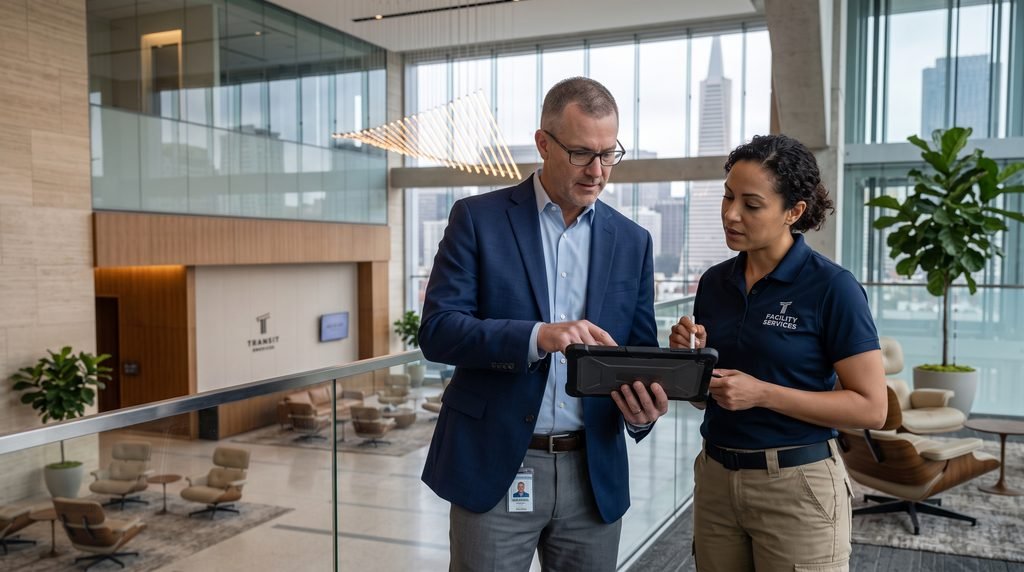
By decoupling daily appearance maintenance from long-term asset preservation, facility managers can allocate their budgets more effectively. This structured approach prevents the compounding of minor issues into major operational disruptions.
Closing Insight
Operational problems in commercial facilities rarely announce themselves with immediate urgency. They compound quietly beneath the surface of a seemingly clean environment. A spotless appearance at the end of the business day is a valuable metric, but it is not a guarantee of asset preservation. True facility management requires looking beyond the visible surface and implementing a cleaning strategy that protects the structural integrity of the building for the long term.
Next Steps
If your current cleaning protocol maintains daily appearance but you are noticing premature wear on your floors or concerns regarding indoor air quality, it may be time to evaluate your structural cleaning rhythm. Contact our team for a comprehensive facility assessment. We will help you align your cleaning schedule with your long-term operational and preservation goals, ensuring your space remains both professionally presented and structurally sound.