The Illusion of the Pristine Waiting Room
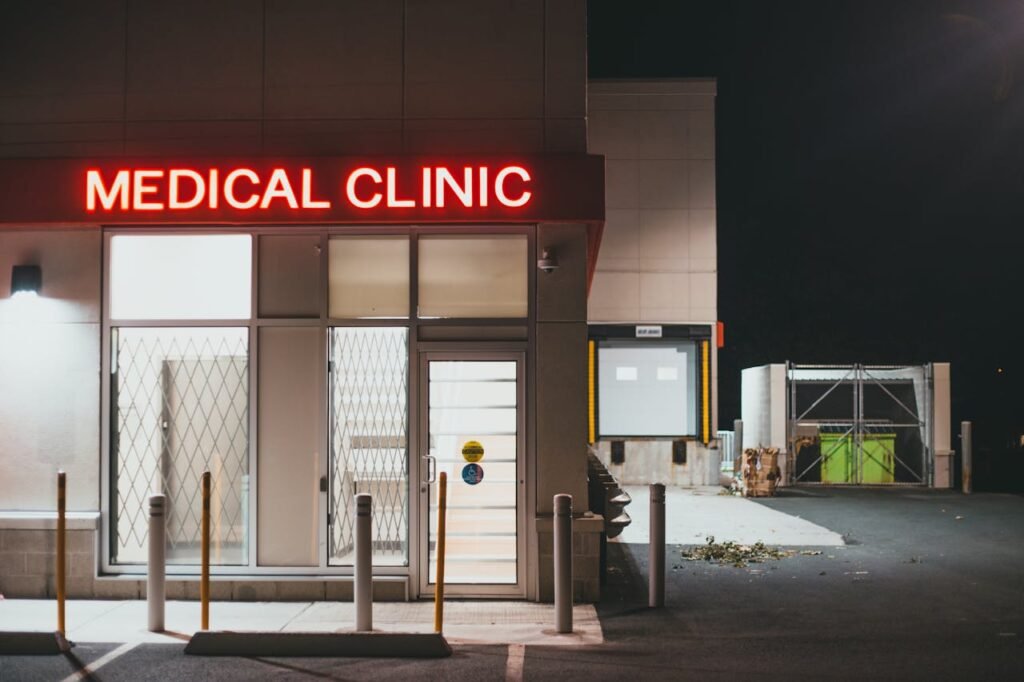
The morning light hits the polished lobby floor of a West Coast outpatient clinic. The reception desk is wiped down, the glass doors are free of smudges, and the seating area appears immaculate. To a patient arriving for an appointment, the facility projects competence and care. To a health inspector or an accreditation auditor, the lobby is largely irrelevant. The actual audit begins the moment the clipboard crosses the threshold into the clinical corridors, the staff breakrooms, and the procedure rooms.
Facility managers and clinic administrators often operate under a dangerous assumption. They assume that a visually appealing environment equates to a compliant environment. This gap between aesthetic cleanliness and regulatory compliance is where medical offices expose themselves to significant operational risk. Citations rarely stem from a single catastrophic failure. They accumulate quietly in the spaces that standard janitorial contracts overlook. When an inspector evaluates a medical facility, they are not looking for shine. They are looking for structural evidence of infection control, environmental safety, and rigorous maintenance protocols. Understanding where standard cleaning protocols fail in clinical settings is the first step toward protecting your practice from regulatory exposure.
The High-Touch Blind Spot in Clinical Zones
The Operational Failure
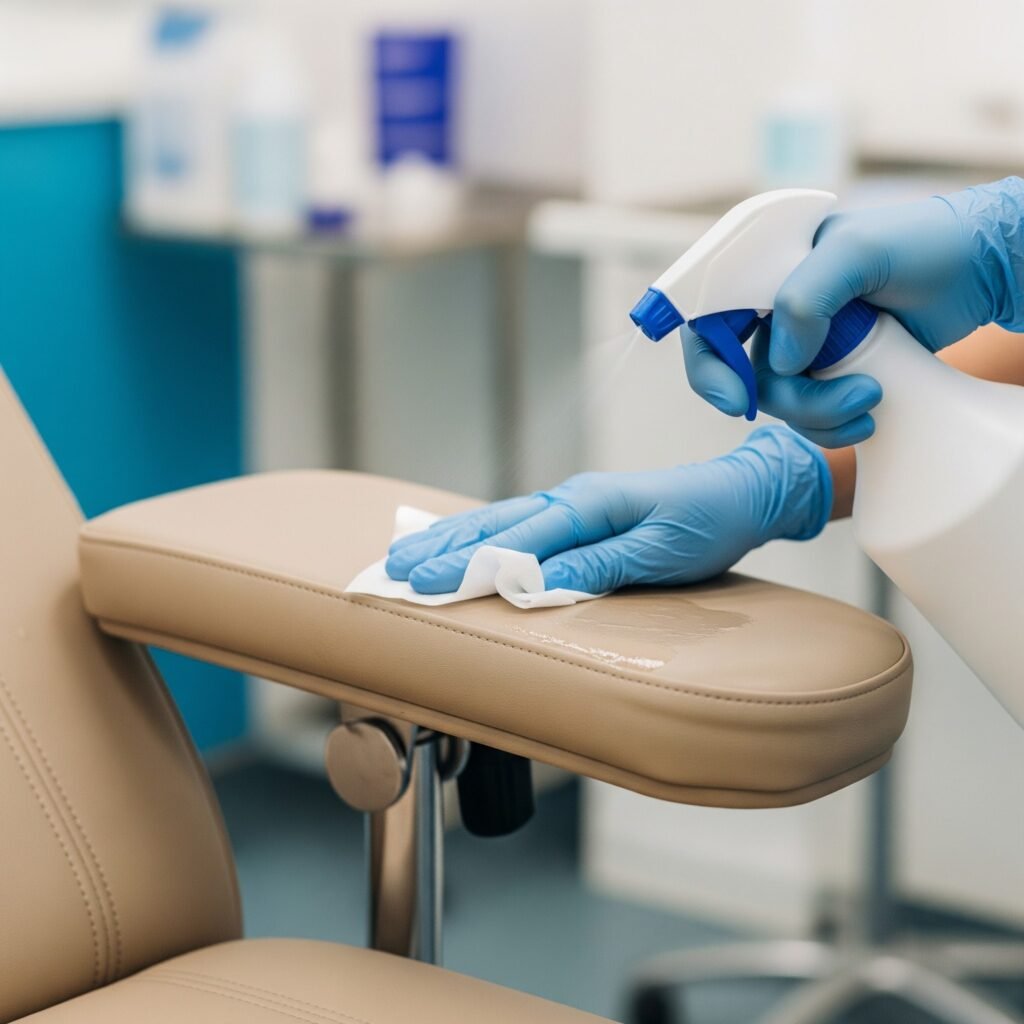
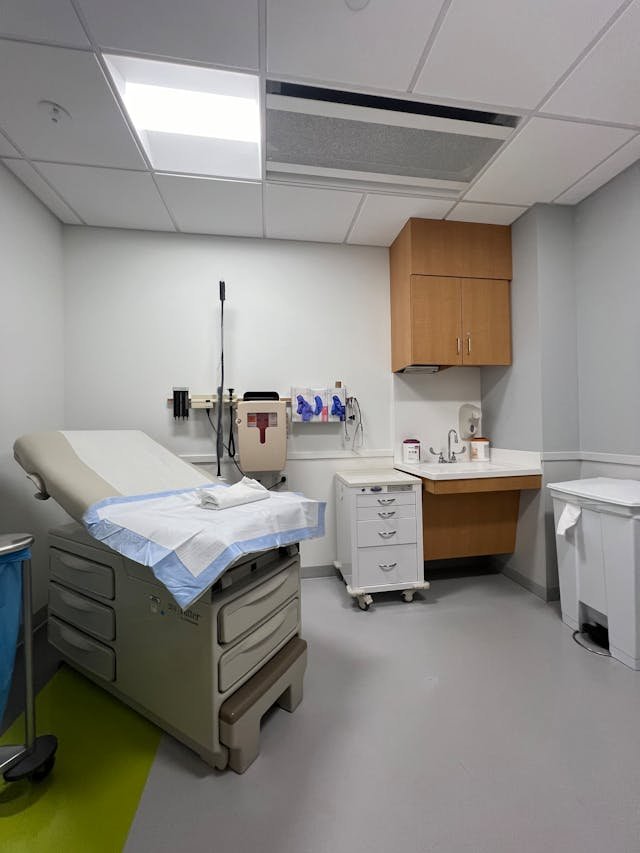
Standard commercial cleaning protocols are designed for low-risk corporate environments. In a typical office, the primary focus is on emptying trash receptacles, vacuuming carpets, and wiping down conference tables. When this exact methodology is applied to a medical office, a critical blind spot emerges. Exam room tables, phlebotomy chairs, nurse station keyboards, and the handles of medical supply cabinets receive the same superficial treatment as a corporate boardroom table. The cleaning crew wipes the surface, but they fail to address the complex topography of clinical equipment where biological matter accumulates.
Why This Happens
This failure occurs because general janitorial staff are rarely trained in clinical workflows. They do not understand the difference between a low-touch administrative surface and a high-touch clinical vector. Furthermore, standard cleaning contracts often lack the specific dwell times and approved chemical agents required for medical environments. The crew is optimized for speed and visual results, not for the meticulous breakdown of organic compounds found in patient care areas.
The Regulatory and Operational Risk
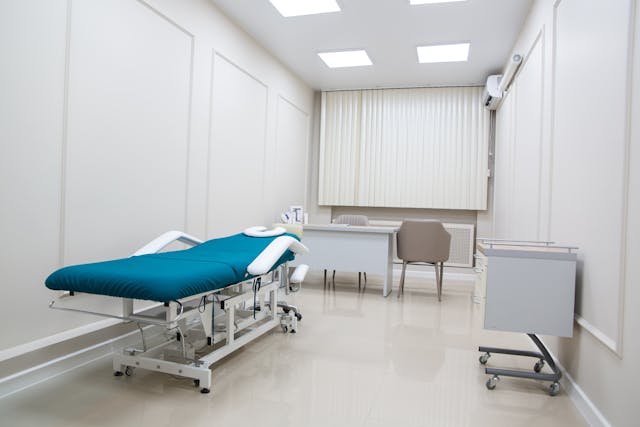
When high-touch clinical zones are improperly maintained, the facility faces immediate infection control vulnerabilities. During an unannounced inspection, auditors frequently use ultraviolet light or ATP swabs to test surfaces that appear clean to the naked eye. A failed swab test in an exam room or a sterile processing area results in immediate citations. Beyond the regulatory penalty, the operational risk involves compromised patient safety, potential outbreaks, and severe reputation damage within the local healthcare community.
The Structural Solution
Addressing this requires moving beyond generic wiping protocols. Facilities must implement Specialized Deep Cleaning routines that are mapped directly to patient flow and clinical usage patterns. This means assigning specific, trained personnel to clinical zones who understand the required contact times for medical-grade disinfectants. By separating clinical surface maintenance from general administrative cleaning, facility managers ensure that high-touch vectors are neutralized according to healthcare standards, rather than just commercial aesthetics.
Overhead Accumulation and Air Quality Liabilities
The Operational Failure
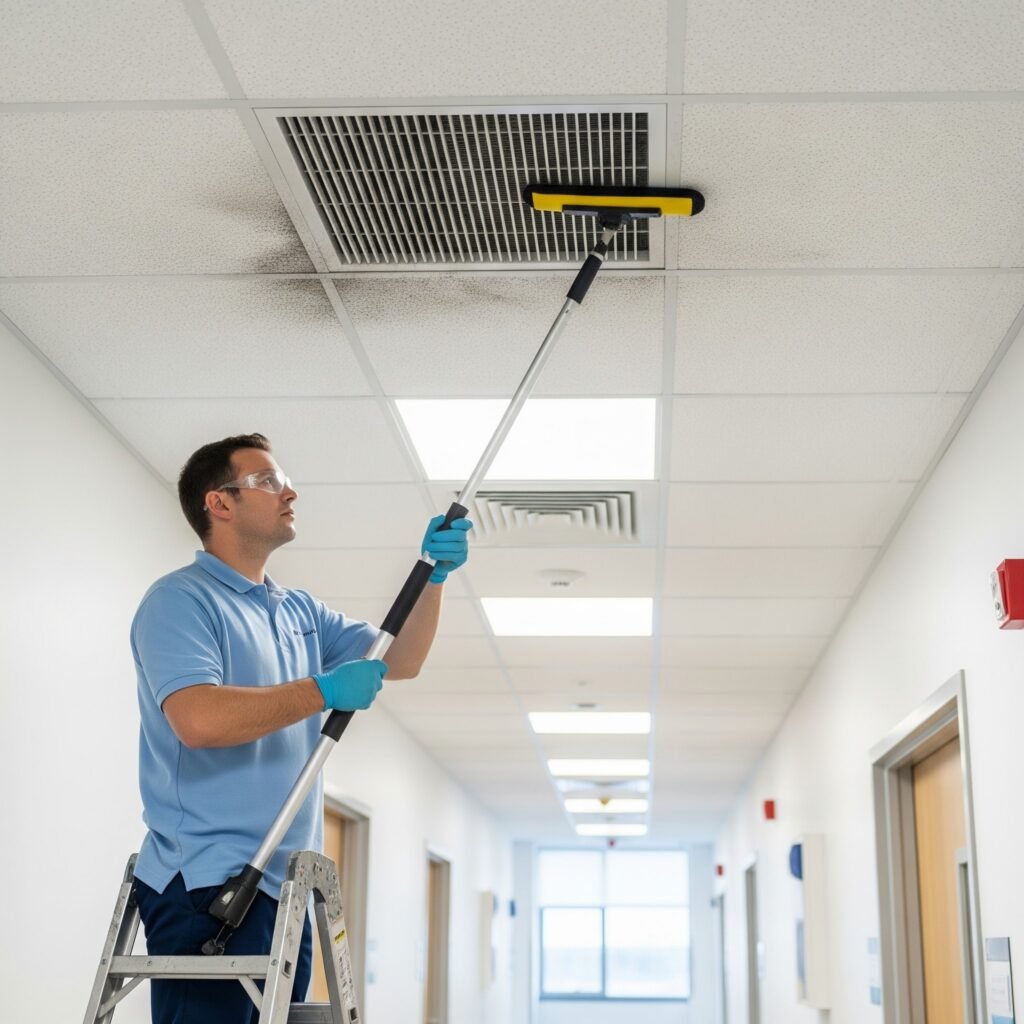
Walk into any medical supply room or clinical hallway and look up. The tops of cabinetry, the HVAC return vents, the acoustic ceiling tiles, and the upper ledges of door frames are frequently coated in a fine layer of gray particulate matter. Because these surfaces are above the standard eye line, they are entirely ignored during daily and weekly cleaning shifts. The assumption is that if the floors and desks are clean, the environment is controlled.
Why This Happens
Standard janitorial agreements explicitly exclude high-level work due to the equipment, labor, and safety requirements involved. Reaching ceiling vents requires specialized ladders, lift equipment, and specific safety training. Consequently, these tasks are deferred indefinitely. In West Coast medical facilities, where HVAC systems run continuously to manage temperature fluctuations and maintain strict air exchange rates, the constant cycling of air mobilizes dust from these neglected overhead surfaces.
The Regulatory and Operational Risk
Overhead accumulation is a primary target for rigorous health inspectors. Dust settling from a return vent can easily land on sterile packaging, open medical supplies, or sterile fields in procedure rooms. When an inspector runs a white glove over the top of a medical supply cabinet and finds a thick layer of grime, it signals a systemic failure in environmental controls. It suggests that the facility’s air filtration and circulation systems are compromised by internal particulate shedding, leading to immediate citations regarding air quality and sterile storage protocols.
The Structural Solution
Facilities must integrate High-Level Dusting Solutions into a rotational, quarterly schedule. This is not a daily task, but it requires dedicated operational planning. Professional teams equipped with HEPA-filtered backpack vacuums and specialized extension tools systematically clear overhead vents, ceiling tiles, and high shelving. By structurally scheduling this maintenance, facility managers prevent the gradual buildup of particulate matter, ensuring that the air circulating through the clinic remains free of internal contaminants and fully compliant with healthcare ventilation standards.
Flooring as a Primary Compliance Indicator
The Operational Failure
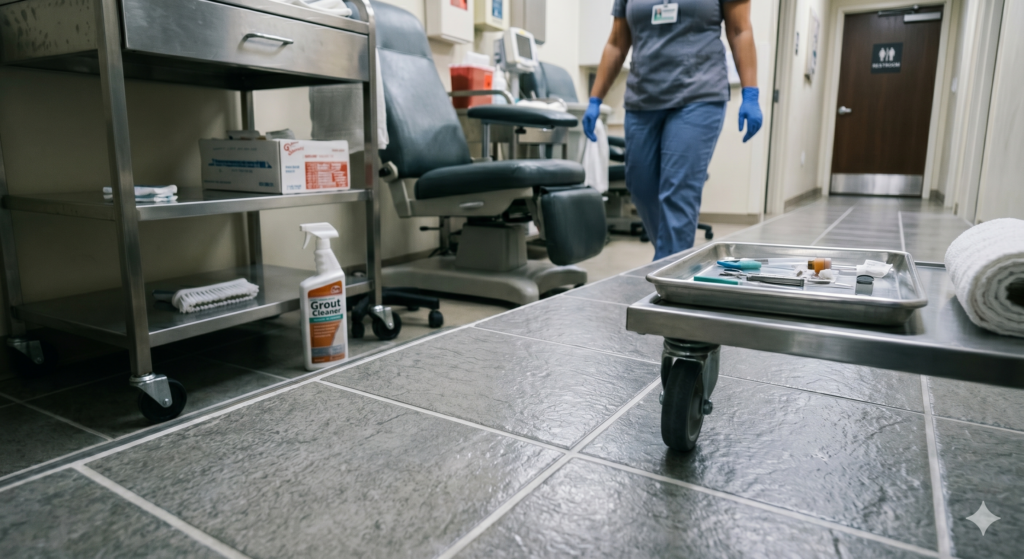
The flooring in a medical facility endures relentless abuse. From the scuff marks of medical carts in the hallways to the moisture and biological spills in restrooms and laboratory areas, floors take the brunt of daily operations. The most common failure mode is the degradation of grout lines and the stripping of protective wax layers on VCT (Vinyl Composition Tile) flooring. Over time, grout lines turn dark and porous, while hard floors lose their seal, allowing moisture and soil to penetrate the subsurface.
Why This Happens
This degradation is the direct result of improper daily maintenance compounded over time. When staff rely on damp mopping with dirty water or neutral cleaners, they are not removing soil. They are simply pushing biological matter, salts, and dirt deeper into the porous grout lines and the microscopic scratches in the floor finish. Without periodic mechanical agitation and extraction, the soil becomes permanently embedded. The daily cleaning routine actually accelerates the degradation of the floor by trapping moisture and bacteria beneath the surface.
The Regulatory and Operational Risk
Floors are the largest surface area in any facility, and inspectors use them as a primary indicator of overall maintenance rigor. Dark, degraded grout in a clinic restroom or laboratory is an immediate red flag for bacterial harborage. Furthermore, compromised floor finishes create severe slip hazards, especially in areas where liquids are frequently used. A slip-and-fall incident or a citation for unsanitary floor conditions can result in temporary operational restrictions, massive liability exposure, and a loss of trust among patients and staff.
The Structural Solution
Preventing floor degradation requires a shift from reactive mopping to proactive restoration. Implementing an Advanced Floor Treatment program ensures that hard surfaces are periodically stripped, mechanically agitated, and resealed. For tile and grout, high-temperature pressure washing and extraction remove embedded biological soil that mops cannot reach. By maintaining a continuous, protective seal on all flooring surfaces, facility managers eliminate bacterial harborage zones, reduce slip hazards, and present a surface that easily passes the most rigorous visual and physical inspections.
The Documentation Deficit During Unannounced Audits
The Operational Failure
The cleaning crew arrived last night. The floors were mopped, the restrooms were sanitized, and the clinical surfaces were wiped down. The facility is clean. However, when the health inspector asks for the maintenance logs from the past thirty days to verify the sterilization cycles of the procedure rooms, the clinic administrator has nothing to provide. The cleaning occurred, but the proof does not exist.
Why This Happens
This documentation deficit happens because most commercial cleaning relies on generic, paper-based checklists that are signed once a week and promptly discarded. These generic lists lack the specificity required for healthcare environments. They do not track the rotation of deep cleaning tasks, the specific chemicals used in sterile areas, or the exact times high-touch zones were addressed. When an audit occurs, the facility manager is forced to rely on memory or the verbal assurances of a night-shift supervisor, which holds zero weight in a regulatory proceeding.
The Regulatory and Operational Risk
Regulatory bodies and accreditation organizations operate on a simple premise: if it is not documented, it did not happen. During an unannounced audit, the inability to produce verifiable, date-stamped cleaning logs is often treated as a failure of compliance, regardless of the actual physical condition of the facility. This documentation gap can escalate a minor observation into a formal citation, triggering mandatory follow-up inspections, increased scrutiny, and potential fines. It strips the facility manager of their ability to defend their operational standards.
The Structural Solution
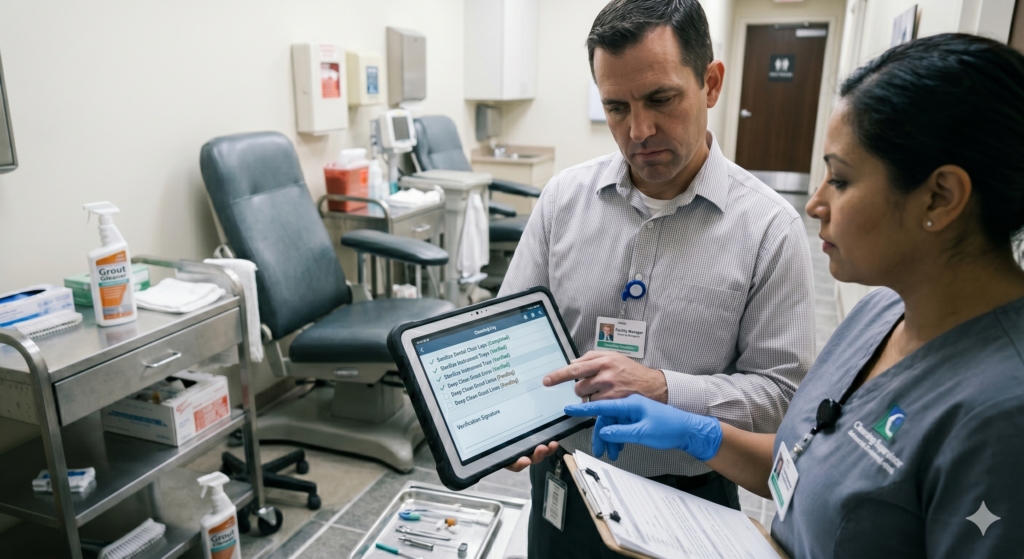
Compliance requires auditable systems. Transitioning to Customized Cleaning Plans that utilize digital, verifiable logging ensures that every task is tracked, timed, and recorded. These customized plans are built specifically around the clinic’s layout and regulatory requirements. When an inspector requests proof of environmental maintenance, the facility manager can instantly produce a comprehensive, time-stamped report detailing exactly which clinical zones were treated, which protocols were followed, and who performed the work. This transforms cleaning from an invisible expense into a verifiable compliance asset.
The Architecture of Compliance
Operational excellence in healthcare facilities is not defined by the absence of visible dirt. It is defined by the presence of verifiable systems. The gap between a standard commercial clean and a compliant medical environment is vast, filled with overhead liabilities, porous flooring risks, and high-touch vulnerabilities that generic janitorial services are simply not equipped to manage.
Compliance is not an event that happens the day before an inspection. It is the quiet, daily byproduct of structural habits, specialized protocols, and rigorous documentation. When facility administrators align their environmental maintenance with the actual operational realities of patient care, they do more than pass inspections. They protect their staff, safeguard their patients, and secure the operational continuity of their practice.
Ready to Transform Your Risk into Confidence? Operational excellence in healthcare is defined by verifiable systems, not just visual appeal. If your current cleaning contract lacks auditable logs or the specialized protocols required for compliance, your practice carries unnecessary regulatory exposure. At New Revolution Cleaning, we offer more than just aesthetics—we provide the structural, documented maintenance that secures your compliance and operational continuity. Take the first step toward turning your environmental liability into a verifiable asset. Visit our Contact Us page to schedule your confidential compliance consultation today.