
Introduction
Walking into a premium fitness center in the Bay Area at six in the morning presents a specific operational reality. The cardio floor is gleaming, the front desk is organized, and the weight room is meticulously arranged. Yet, as you approach the locker room, a faint, unmistakable scent often becomes apparent. It is not merely the smell of sweat. It is the heavy, damp odor of trapped moisture and biological accumulation. Facility managers frequently rely on daily mopping and standard disinfectants to manage this environment. Despite these efforts, the odor persists, and member complaints regarding shower hygiene quietly increase. The issue is rarely a lack of effort by the janitorial staff. The issue is a structural limitation in how porous surfaces are maintained.
The Anatomy of the Biofilm Blindspot
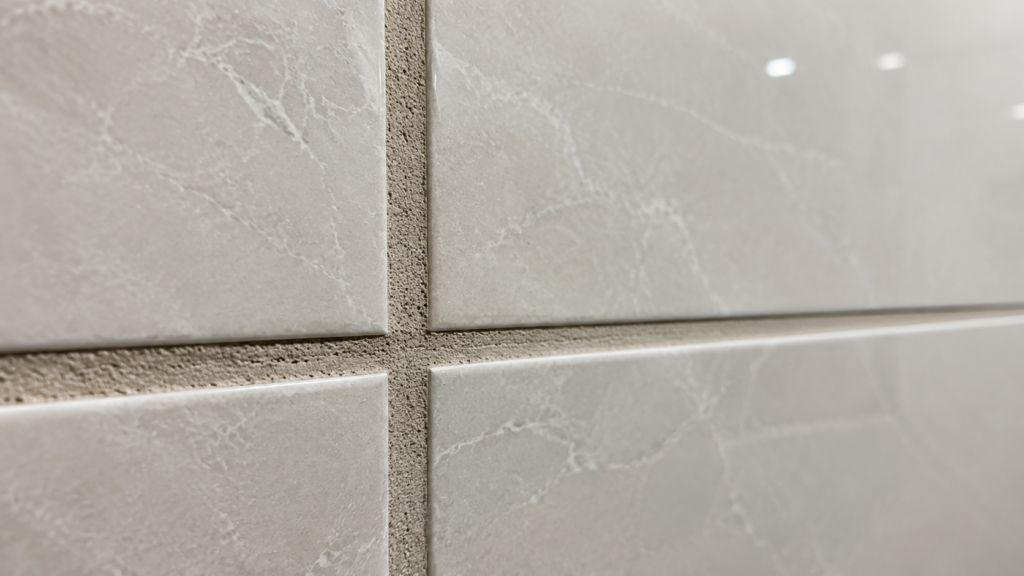
To understand why locker rooms develop persistent odors, one must look past the visible surface of the tile and examine the grout and silicone caulking. These materials are inherently porous. In a commercial shower environment, they are continuously exposed to warm water, high humidity, and organic matter, including skin cells, sweat, and soap residue. When daily cleaning relies on surface-level mopping and standard cleaners, it removes visible dirt but leaves behind a microscopic layer of organic material. Bacteria naturally colonize this layer. As they multiply, they secrete a protective, slimy matrix known as an extracellular polymeric substance. This is biofilm. It anchors itself deep within the microscopic pores of the grout, creating a shield that protects the bacteria from standard environmental stressors. Once established, this biofilm is virtually impossible to remove with conventional wiping methods.
The Operational Cost of Visual Cleanliness
A shower stall can appear immaculate to the naked eye while harboring a significant microbial load. This creates a dangerous blindspot for facility operations managers. The primary indicator of this hidden accumulation is odor. When members detect a persistent musty smell despite the facility appearing visually clean, trust erodes rapidly. In the highly competitive Bay Area fitness market, locker room hygiene is a primary driver of membership retention and new member acquisition. Prospective members touring a facility will immediately notice a poorly maintained wet area. Negative online reviews specifically mentioning dirty showers or smelling locker rooms have a disproportionate impact on a gym’s reputation. Beyond the reputational damage, there is a physical cost. Persistent microbial growth produces acidic byproducts that can slowly degrade silicone seals and cementitious grout. Over time, this leads to compromised waterproofing, water intrusion behind the tiles, and ultimately, costly structural repairs.
The Limitations of Standard Janitorial Protocols
Daily cleaning protocols are designed for maintenance, not restoration. Mops and flat microfiber pads are engineered to distribute cleaning solutions across large, flat floor areas. They do not provide the mechanical agitation required to draw out contaminants from the recessed, porous structure of grout lines. Furthermore, the chemistry of standard commercial cleaners often exacerbates the problem in wet environments. Many general-purpose cleaners are highly alkaline. While highly effective on greasy kitchen floors, alkaline solutions are largely ineffective against the protein-based structures of biofilm. More importantly, if alkaline cleaners are not thoroughly extracted with clean water, they leave behind a soapy residue. In a warm shower environment, this residue acts as a continuous nutrient source for bacteria, actually accelerating biofilm formation rather than preventing it. Additionally, the hard water prevalent in many parts of the Bay Area reacts with these alkaline residues to form mineral scale. This scale further seals the bacteria inside the grout pores, making the problem exponentially harder to solve with standard daily tools. The failure is not in the work ethic of the in-house staff, but in a fundamental mismatch between the daily tools and the specific requirements of porous surfaces.
Structured Remediation Through Specialized Deep Cleaning
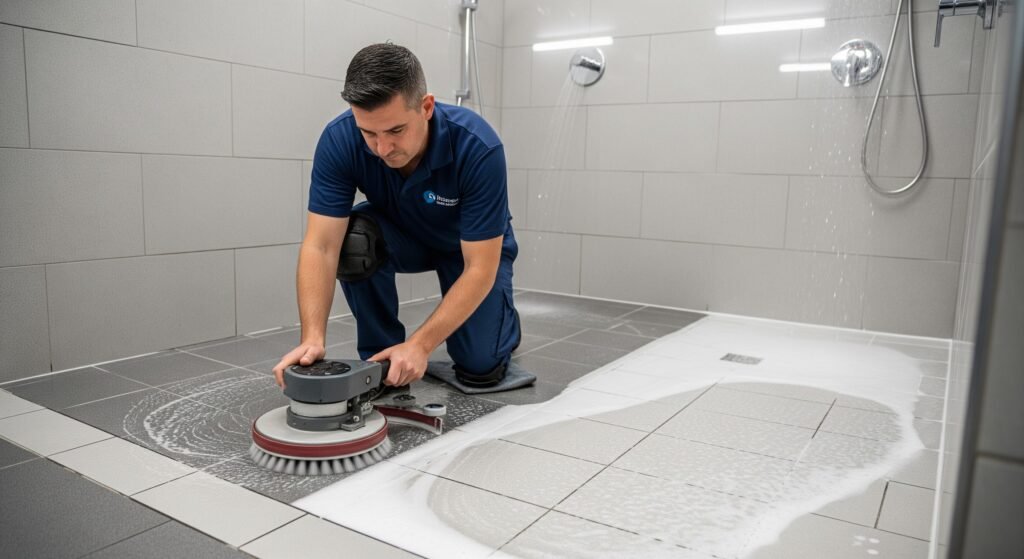
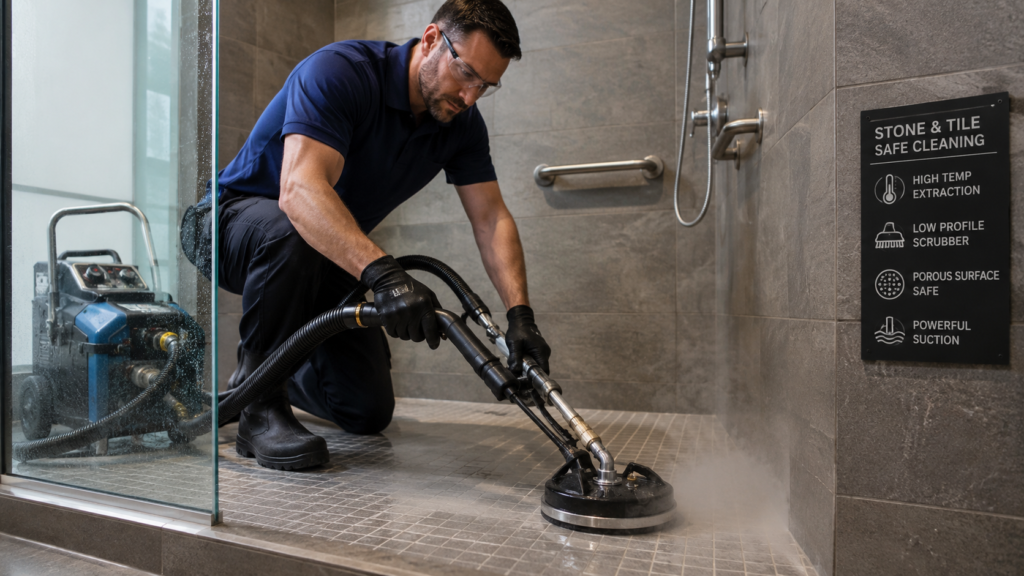
Addressing established biofilm requires a shift from daily maintenance to targeted, specialized remediation. Professional intervention begins with a thorough assessment of the grout and caulking integrity to ensure the materials can withstand deep cleaning. The remediation process utilizes specialized, low-moisture extraction equipment and targeted, pH-balanced enzymatic cleaning agents. These specific agents are designed to break down the protein and lipid structures of the biofilm without damaging the underlying cementitious grout. Mechanical agitation is a critical component. Technicians use high-pressure rotary systems or specialized hand tools to physically disrupt the microbial matrix, breaking the seal of the extracellular polymeric substance. Following the breakdown of the biofilm, high-temperature steam or high-capacity hot water extraction removes the suspended contaminants from deep within the pores. This process requires adequate dwell time for the enzymatic agents to work, a luxury that standard daily shift schedules rarely permit. Ultimately, this process leaves the surface genuinely sanitized at a microscopic level, rather than just visually clean.
Establishing a Preventative Maintenance Cadence
Once the deep-seated biofilm is removed through a comprehensive Specialized Deep Cleaning, the operational focus shifts to preventing its rapid return. This requires integrating specialized tile and grout care into the facility’s broader Monthly Cleaning Service. Instead of relying solely on daily mopping, a structured protocol introduces periodic, specialized deep cleaning of all wet areas. This cadence is not arbitrary. It is determined by the facility’s daily usage volume, the ventilation efficiency of the locker room, and the specific porosity of the installed materials. By scheduling these targeted interventions before the biofilm can fully re-establish its protective matrix, facility managers maintain a consistently hygienic environment. This proactive approach eliminates odor complaints before members even notice them, protecting both the facility’s reputation and the physical integrity of the shower enclosures. It transforms locker room maintenance from a reactive chore into a predictable, managed operational standard.
Closing Insight
Facility management is often defined by what goes entirely unnoticed. When a locker room smells fresh, functions flawlessly, and feels safe, members simply assume the facility is well-run. They do not see the complex chemistry, the mechanical extraction, or the structured protocols required to keep porous surfaces free of biological accumulation. The most effective operational strategies are the ones that remain invisible to the end user, quietly neutralizing risks and preserving the standard of the environment day after day.
Call to Action
If you are evaluating the hygiene protocols for your fitness facility’s wet areas, we can provide a structural assessment of your current tile and grout maintenance. Reach out to our team to discuss how specialized deep cleaning can support your operational standards.